How do you choose the right light source?
By Lisa / April 15, 2024
Light sources are essential for creating the right atmosphere and functionality in any space. Whether for home, office or commercial lighting, choosing the right light source can make a big difference in the overall experience and energy consumption.
When choosing the right light source, there are several factors to consider. What should you look for when buying light sources?
Light temperature
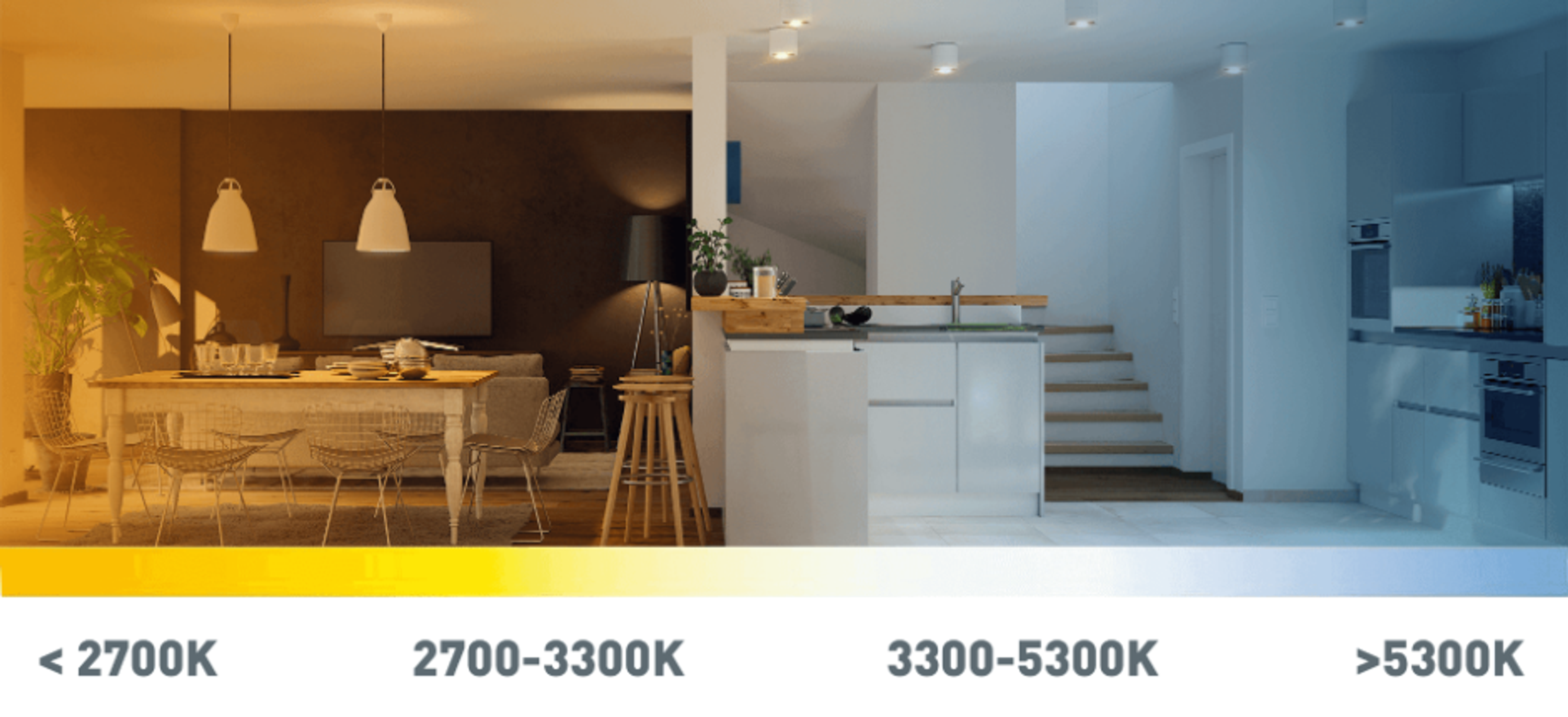
Color temperature is measured in Kelvin (K) and tells us whether the light is warm or cool. A lower Kelvin value means warmer, yellowish light, while a higher Kelvin value means cooler, bluer light. It’s important to choose the right color temperature depending on where you want to use the light and what atmosphere you want to create. In general, warmer light (2700K to 3300K) is cozier for spaces like living rooms and bedrooms, while cooler light (3300K to 5300K) often works better for workspaces like offices.
Light color
The color rendering index (CRI) tells us how well a light source can show colors compared to daylight. A higher CRI means better color rendering. In places where colors must be accurate, such as art galleries or clothing stores, it is important to choose light sources with a high CRI.
Energy Efficiency
Energy efficiency is an important consideration, both for the environment and for your wallet. LED bulbs are generally the most energy-efficient option and have a long lifespan, making them cost-effective in the long run. They use significantly less energy than traditional incandescent and halogen bulbs, making them a sustainable choice.
Dimmable
If you want to make the light brighter or softer, for example to create a cozy atmosphere or to save energy, you should check if the light source is dimmable. Not all lamps can be dimmed, so be sure to check before you buy something, especially if dimming is important for what you want to do with it.


Type of fitting
There are various types of sockets available for light sources, such as E27, GU10, and so on. Make sure to choose the correct base that’s compatible with the light fixtures in which you plan to use the light bulbs. It’s a good idea to measure your current bases or bring them with you to the store to ensure you select the right size.
Application
Think carefully about what you need the lighting for before choosing a light source. Is it for general lighting, accent lighting, work lighting or just decoration? Each use may require a different type of light source, with different properties such as brightness, the angle at which the light is diffused and the color temperature.

When choosing light sources, there are several important factors to consider, including light temperature, color rendering index, energy efficiency, dimmability, type of socket and application.By considering these factors and choosing the right light sources, you can create a comfortable, functional and energy-efficient lighting solution that fits your needs and preferences.