The various lamp fittings at a glance
By Lisa / April 15, 2024
With a wide range of fittings available, ranging from E27 to GU10 and G9, it can sometimes be overwhelming to make the right choice for your lamp. In this blog, we offer an overview of some of the different fittings, along with their features and applications.
Whether you're looking for a fitting for a standard incandescent bulb or a decorative candle lamp, this introduction will help you navigate the various options and find the perfect fitting for your lighting.
Different fittings of a lamp
The socket of a lamp is the part that attaches the lamp to the fixture or light fixture. It is the point where the electrical connection is made between the lamp and the fixture, allowing the lamp to be powered and produce light.
There are more than 100 different lamp fittings. We have listed for you the 8 most common fittings with their characteristics and for which lamps they are suitable. Types starting with the letter E are rotary fittings and types starting with GU are plug-in fittings.
E27 socket
Probably the E27 socket is the most common socket and is also called a large socket. Most incandescent, energy-saving, halogen and LED bulbs have an E27 fitting. The fitting has a screw thread of 27 mm with which the light source can be screwed into a lamp. This fitting is suitable for 230V. However, in addition to the standard E27 fitting, different sizes and shapes occur to meet different needs.
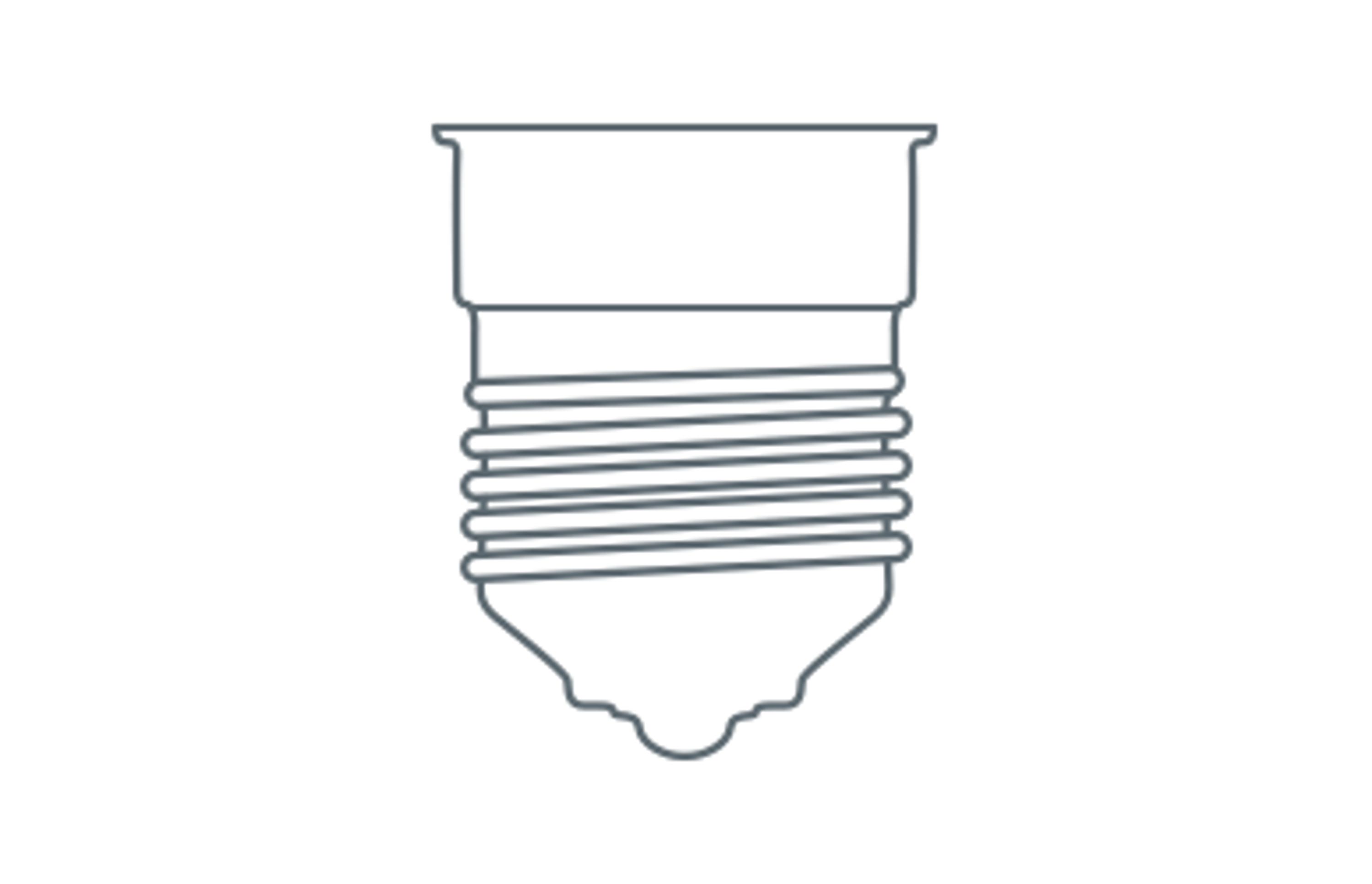
- P45: This is a smaller version of the standard A60 shape and has a diameter of about 45 mm. It is often used for smaller fixtures and decorative applications.
- A60: This is the standard shape for most household lamps and has a diameter of about 60 mm. It is suitable for general lighting applications in homes, offices and stores.
- G95 and G125: These are larger spherical lamps with a diameter of about 95 mm and 125 mm, respectively. They are often used for decorative fixtures and in public areas.
- Tube light sources: These have an elongated, tubular shape and are often used in fixtures for specific applications, such as kitchen lighting, bathroom lighting and office lighting. They are available in different lengths and diameters to meet different needs.
E14 socket
The E14 socket is smaller than the E27 socket and is also often called a small socket. Most smaller incandescent, energy-saving, halogen and LED bulbs have an E14 fitting. The fitting has a screw thread of 14 mm with which the light source can be screwed into a lamp. This fitting is suitable for 230V.
Besides the standard shapes and sizes, such as the E14 socket mentioned earlier, there are also other variants available that have different shapes and sizes, such as P45, B35 and candle light sources with a small socket.
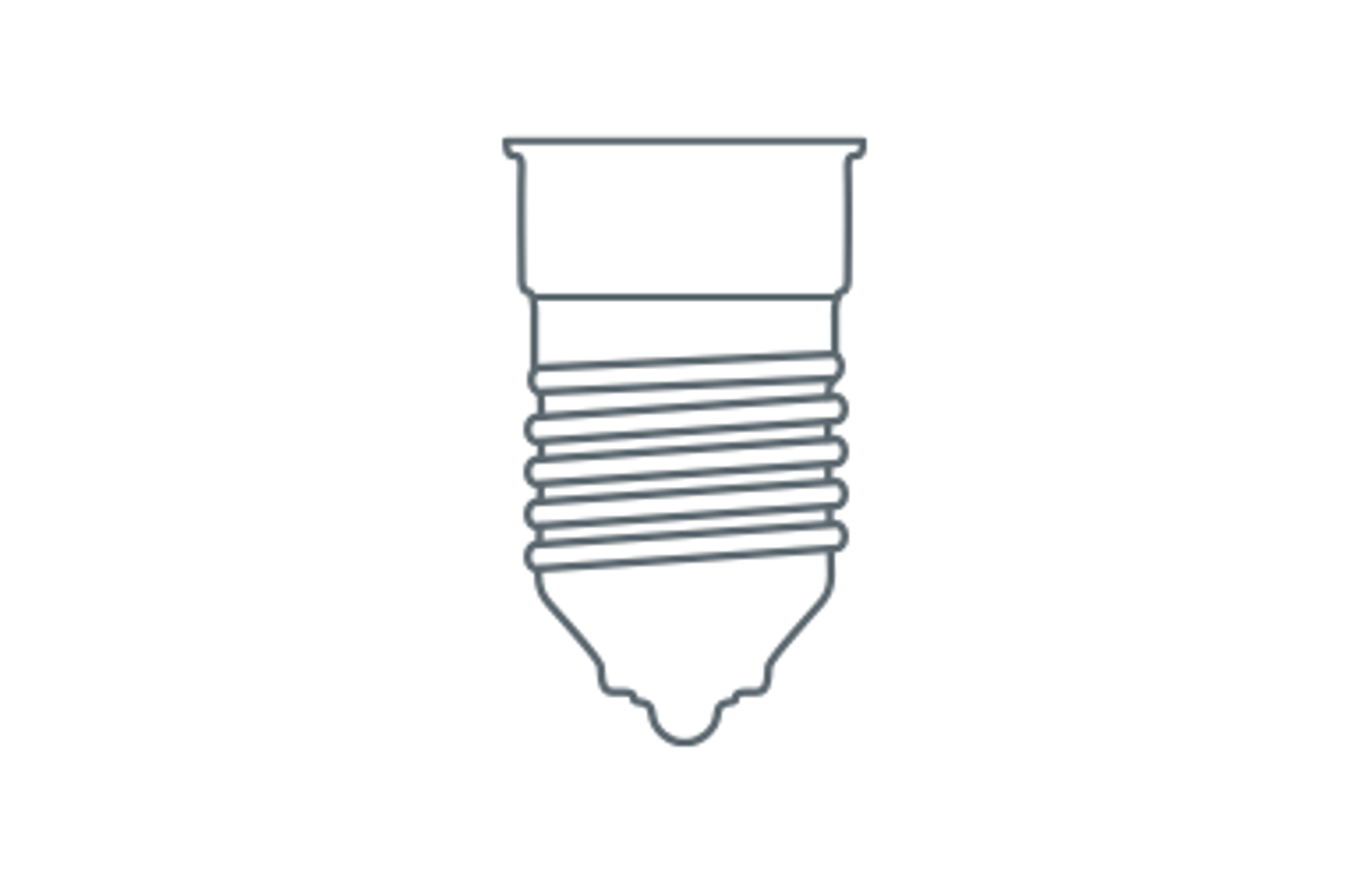
- P45: Also known as a pear lamp because of its pear-shaped design, this light source offers wide light dispersion and is ideal for general lighting applications. The rounded design provides an even spread of light.
- B35: This light source, with its spherical design, is perfect for decorative lighting purposes. The spherical structure creates a warm and inviting appearance.
- Candle light sources with a small socket: Designed to resemble traditional candles, these lamps are perfect for creating a romantic or nostalgic atmosphere. They have a slim and elongated shape.
GU10 socket
A GU10 socket has a so-called bayonet socket. Light sources with this fitting are mainly used for spotlights and are suitable for 230V. The fitting has two pins with 10 mm distance between them. The pins are plugged into the holes of the spotlight after which you fix the light source with a quarter turn. Moreover, GU10 bulbs are available in different sizes to meet different needs and applications.
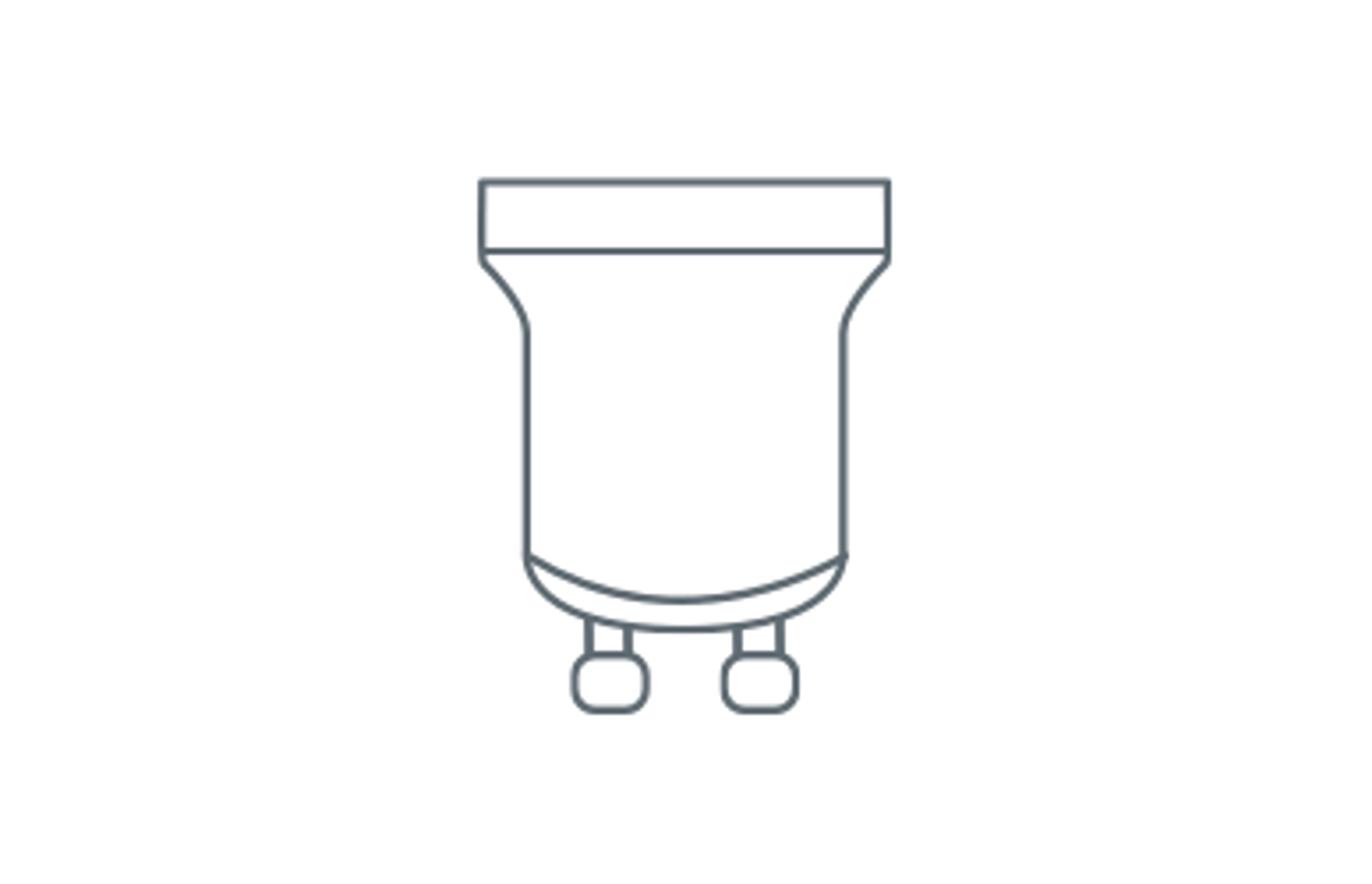
Sizes include 35mm, 50mm, 70mm and 111mm, among others. Each size has its own specifications and can be used depending on the size and design of the fixture in which the light source is placed. This variation in sizes provides flexibility in choosing the right GU10 bulb for specific lighting, making them suitable for a wide range of applications ranging from accent lighting to general lighting.
GU5.3 fitting
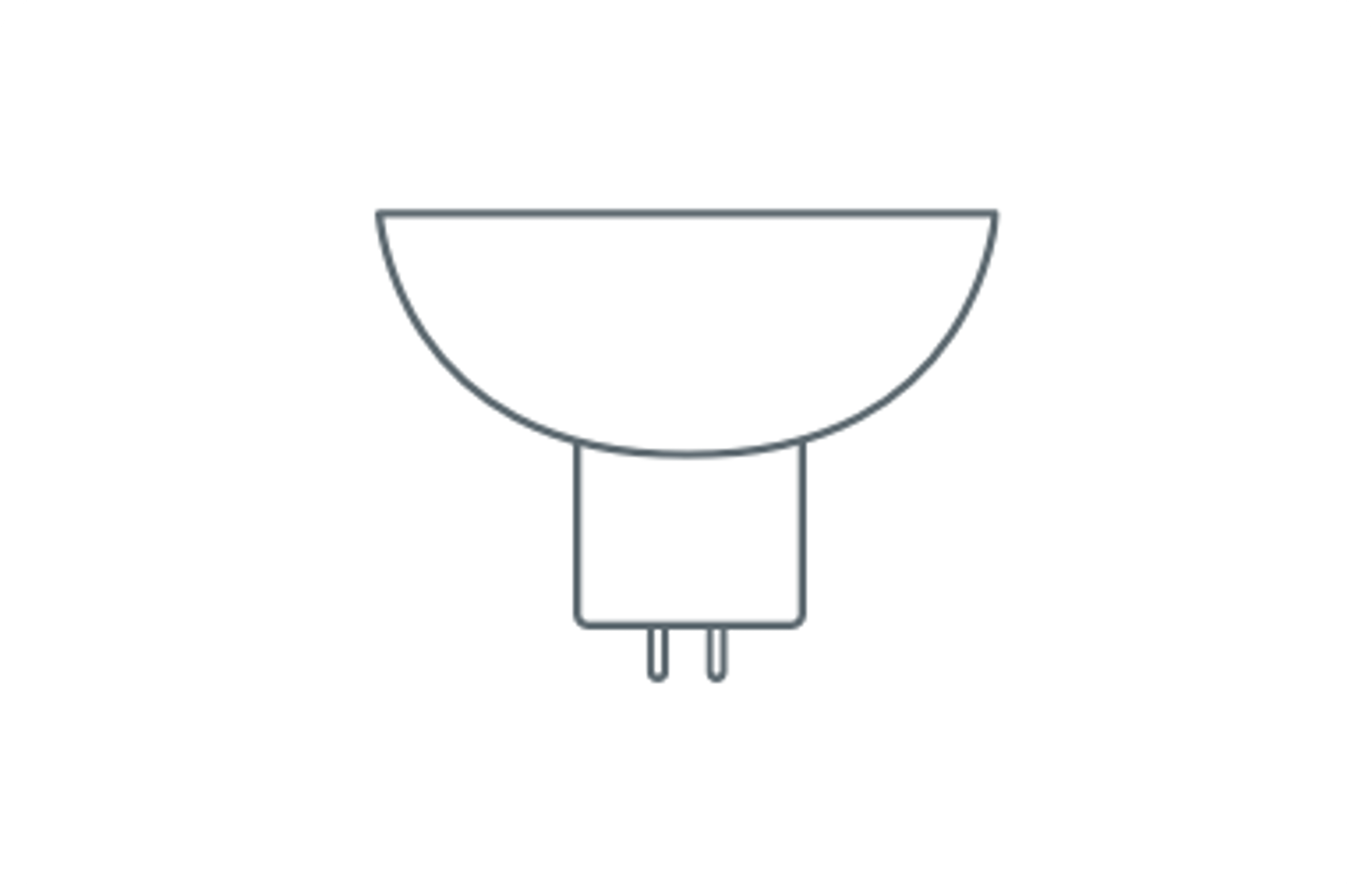
A GU5.3 or MR16 fitting has a bipin base, also called a plug base. This fitting has two pins with a distance of 5.3 mm between them. Lamps with this socket are mainly used in bathrooms, kitchens and outdoors, such as in the garden or under the eaves of the house. This is because they are rated for 12V, which is a safe voltage for damp areas.
Please note that you always need a transformer for a 12V light source. Just plug in the bulb and it works.
G4 fitting
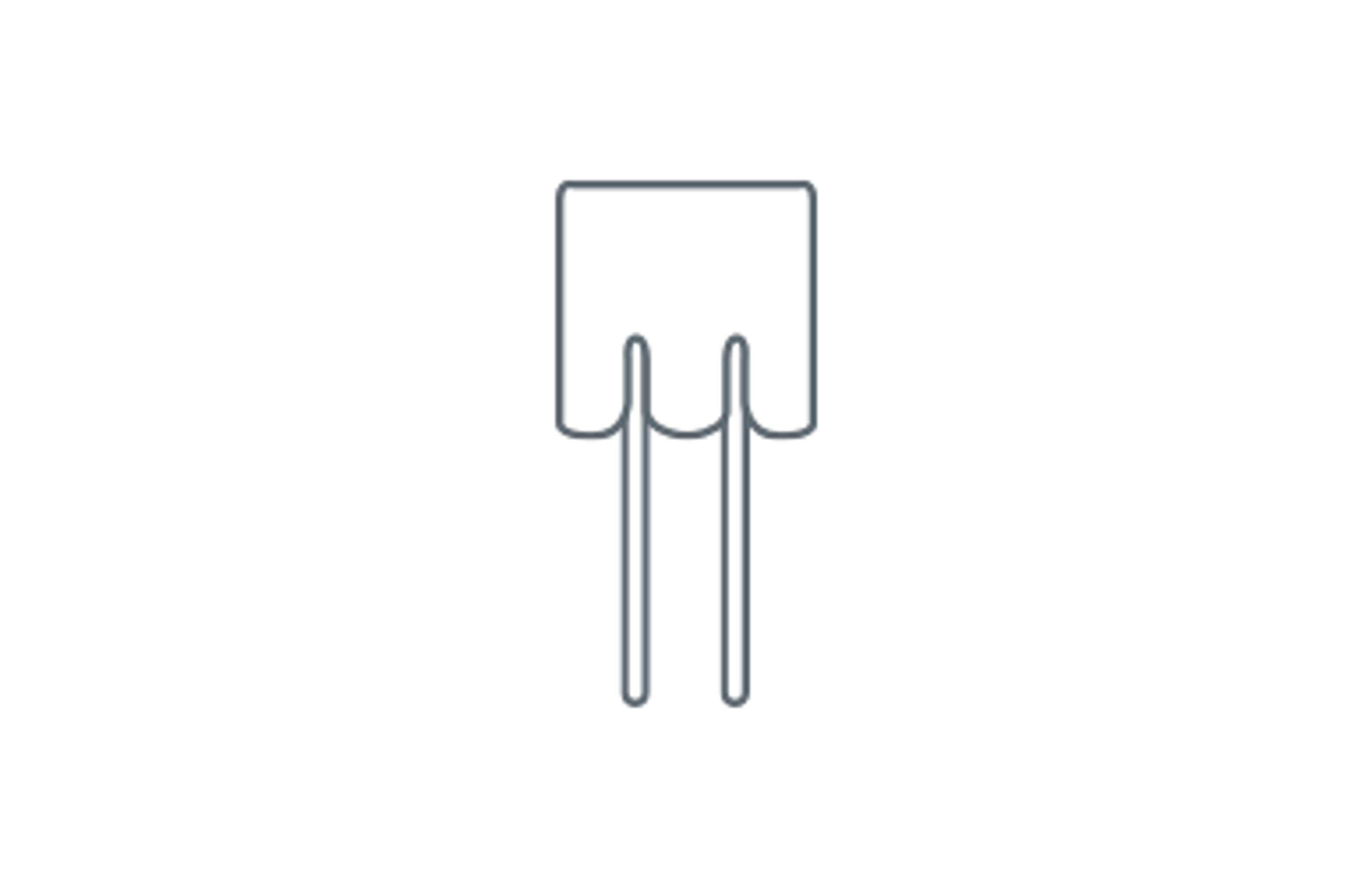
A G4 fitting is similar to a GU5.3 fitting, but is usually used for decorative lighting at 12V, such as mood lighting, desk lamps, floor lamps and range hoods. Please note, you always need a transformer for a 12V light source. The socket has two pins with 4 mm distance between them. Just insert the light source and it works.
G9 fitting
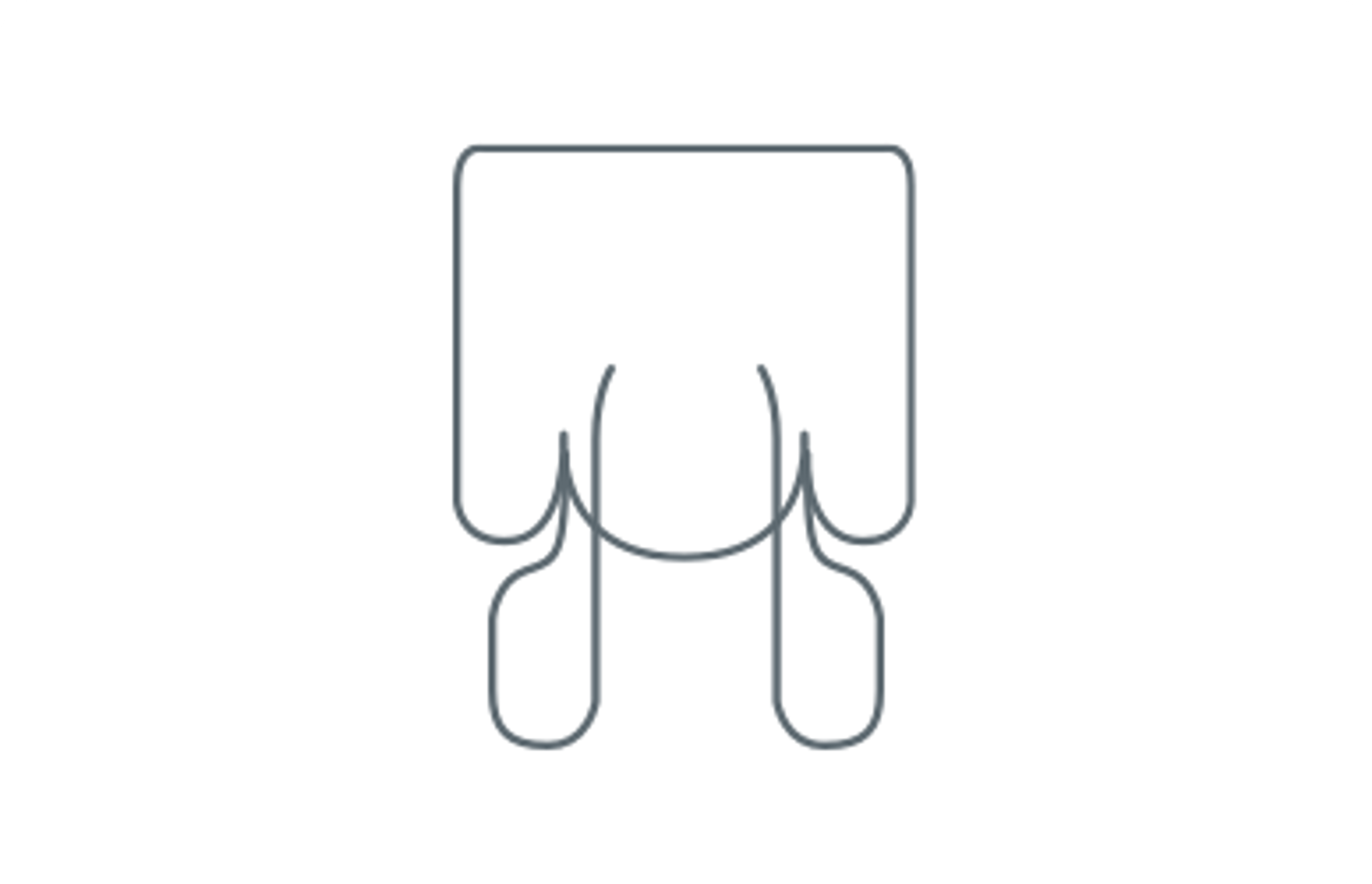
The G9 fitting has a plug fitting with 2 loops with 9 mm spacing between them. This fitting is usually found in small wall or ceiling lamps. You can easily plug in the light source and switch it on. In addition, there are different sizes available, such as 20mm and 45mm, to meet various needs and different fixtures.
GX53 fitting
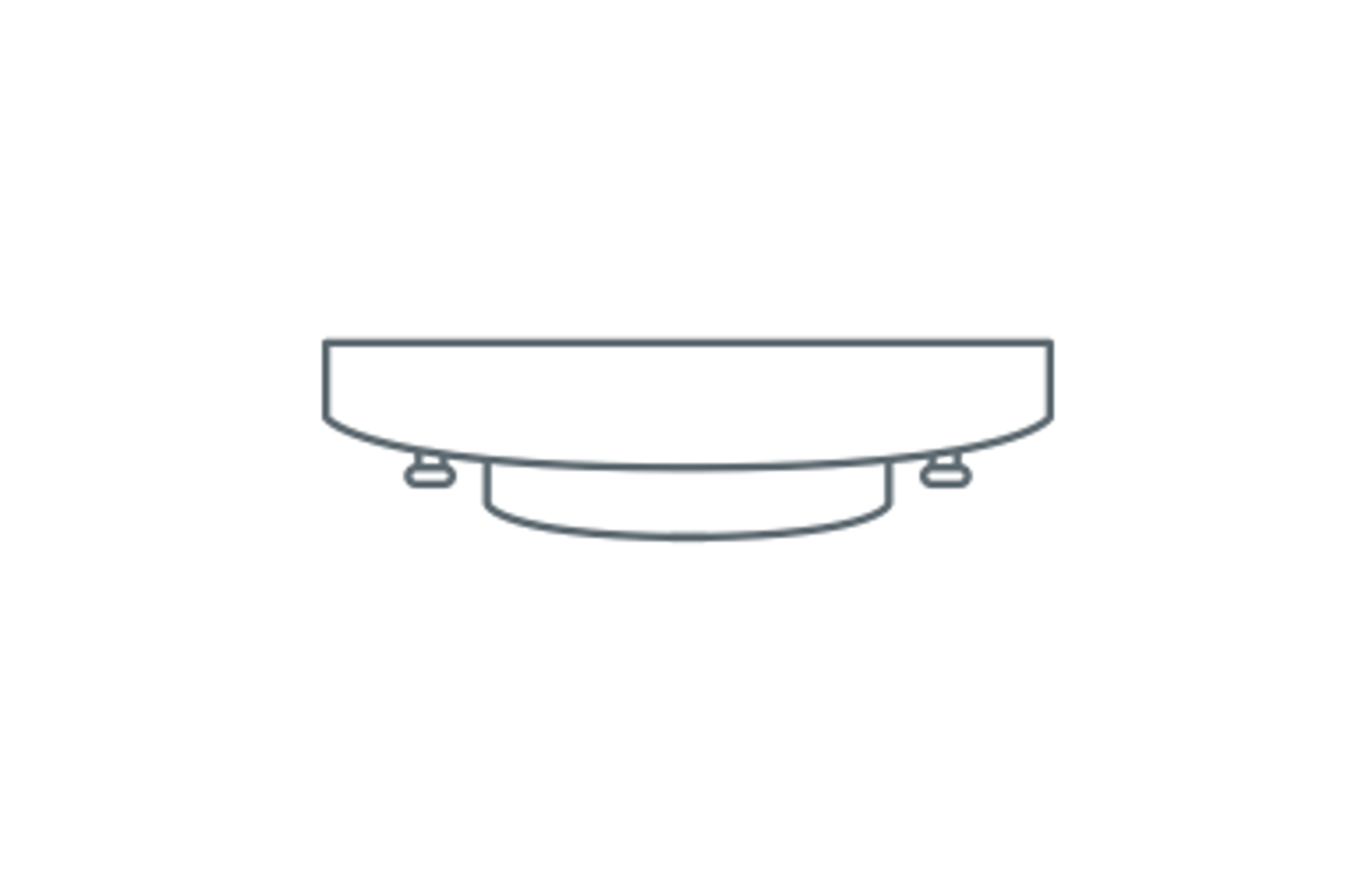
Like a GU10 fitting, the GX53 fitting has a so-called bayonet socket, but is flatter than the normal GU10. Light sources with this fitting are mainly used in flat fixtures such as ground spots and ceiling lamps and are suitable for 230V. The pins of the fitting are plugged into the holes of the spotlight after which you fix the light source with a quarter turn.
G53 fitting
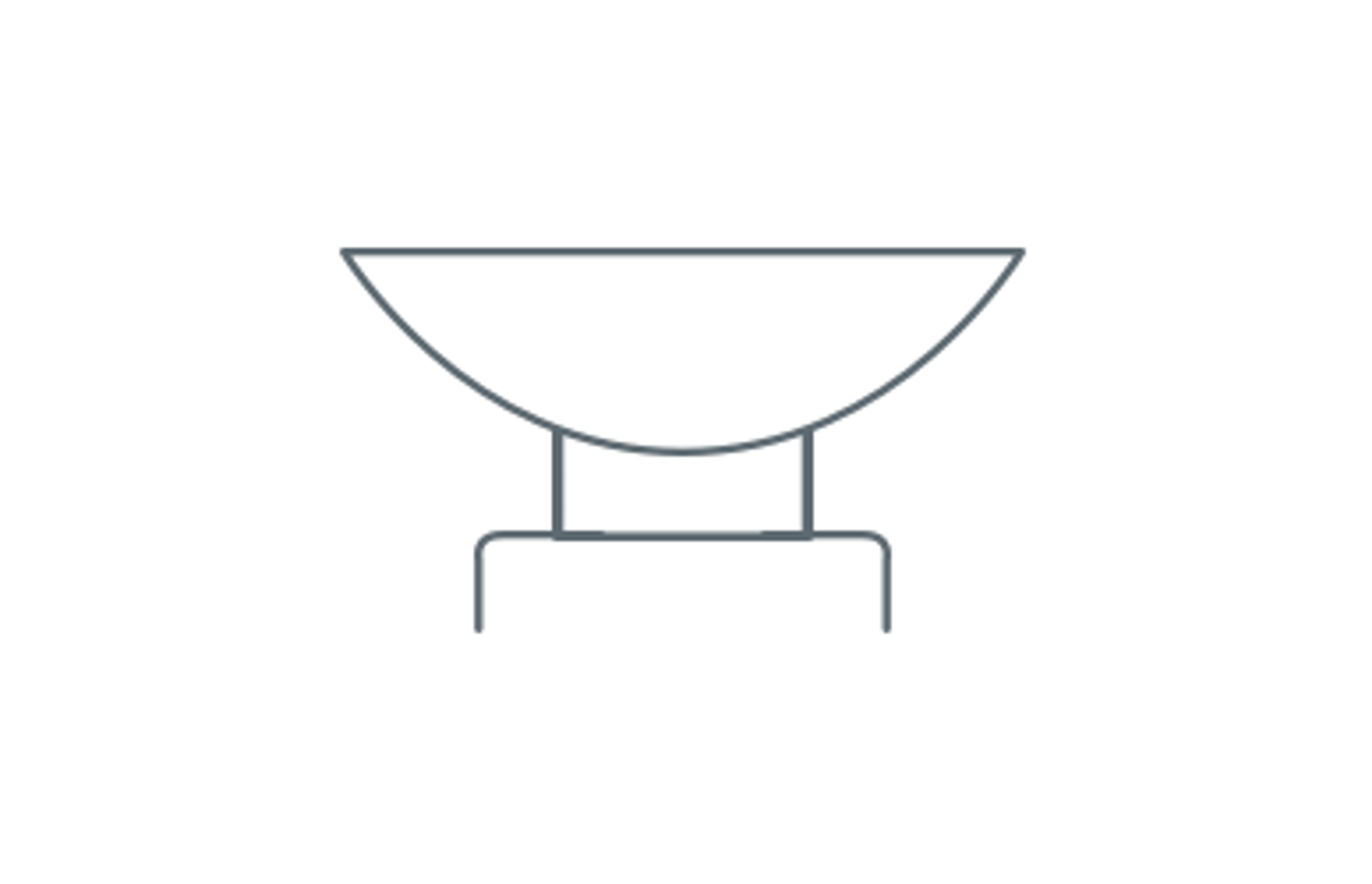
Only an AR111 light source has a G53 fitting. The AR111 light source has a diameter of 111 mm and is mainly used in large recessed and surface-mounted spots. These large spots provide indirect lighting at 12V. Please note, for a 12V light source you always need a transformer. The light sources are fixed by screws or clamps.
What fitting does my lamp need?
To determine which socket your lamp needs, there are a few steps you can follow:
- Consult the manual: If you still have the lamp's manual, it often contains information about which socket is needed for the lamp.
- Check the old bulb: If you still have the old bulb, you can look at the fitting on it. This is usually written on the metal base of the bulb. It may be a combination of letters and numbers, such as E27, GU10, G9, etc.
- Measure the fitting: If you no longer have the old lamp or can't find the fitting, you can measure the diameter of the fitting with a ruler or tape measure. Write down the measurements and compare them to known fittings to see which one matches.
- Consult an expert: If you are still not sure which socket you need, you can always seek advice from a lamp store or an electrician. They can help you identify the right fitting for your lamp.
By following any of these steps, you can determine which socket your lamp needs and make sure you buy the right bulb for replacement.