Safety of garden lighting
By Lisa / April 25, 2024
Garden lighting is not only an aesthetic addition to your outdoor space, but it can also contribute to safety. Whether you want to accent your garden, illuminate paths or light up your pond, it is important to ensure safe and responsible lighting. Let's look at some important aspects of safety in garden lighting.
Garden lighting: safety standards
There are specific safety standards for garden lighting, particularly the IP (Ingress Protection) rating. This rating indicates how well fixtures are protected against dust and moisture. When choosing garden lighting, it’s important to select fixtures with an IP rating suitable for the specific environment. For example, IP44 is suitable for splash-proof fixtures, while IP65 is suitable for use in damp environments around ponds and swimming pools. You can read more about the different IP ratings here!
In addition to the IP rating, garden lighting must also comply with local building codes and safety standards. By choosing fixtures that meet appropriate safety standards, you can ensure that your garden lighting is not only beautiful, but also safe for you, your family and your guests.
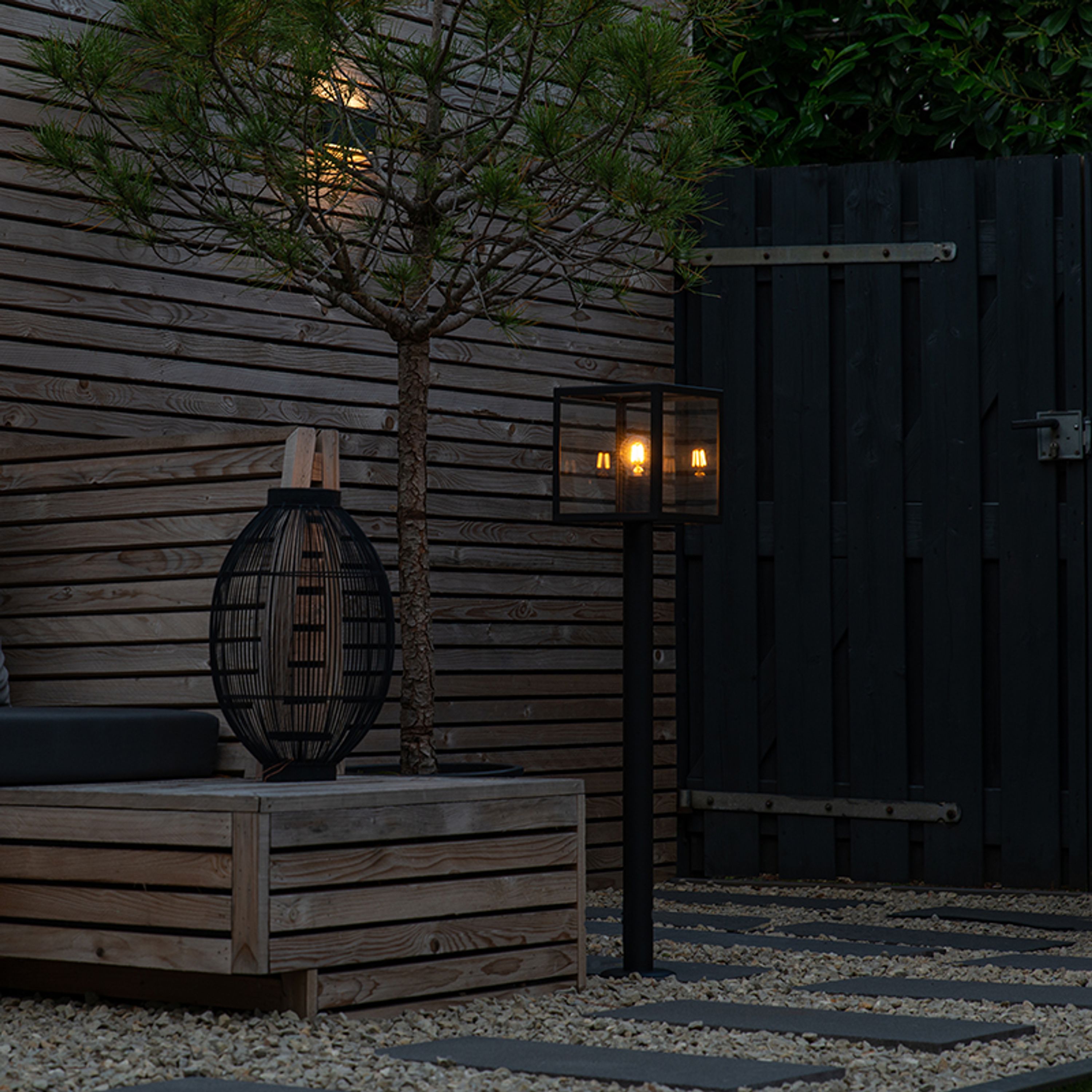
The safety of 12 volts in the garden
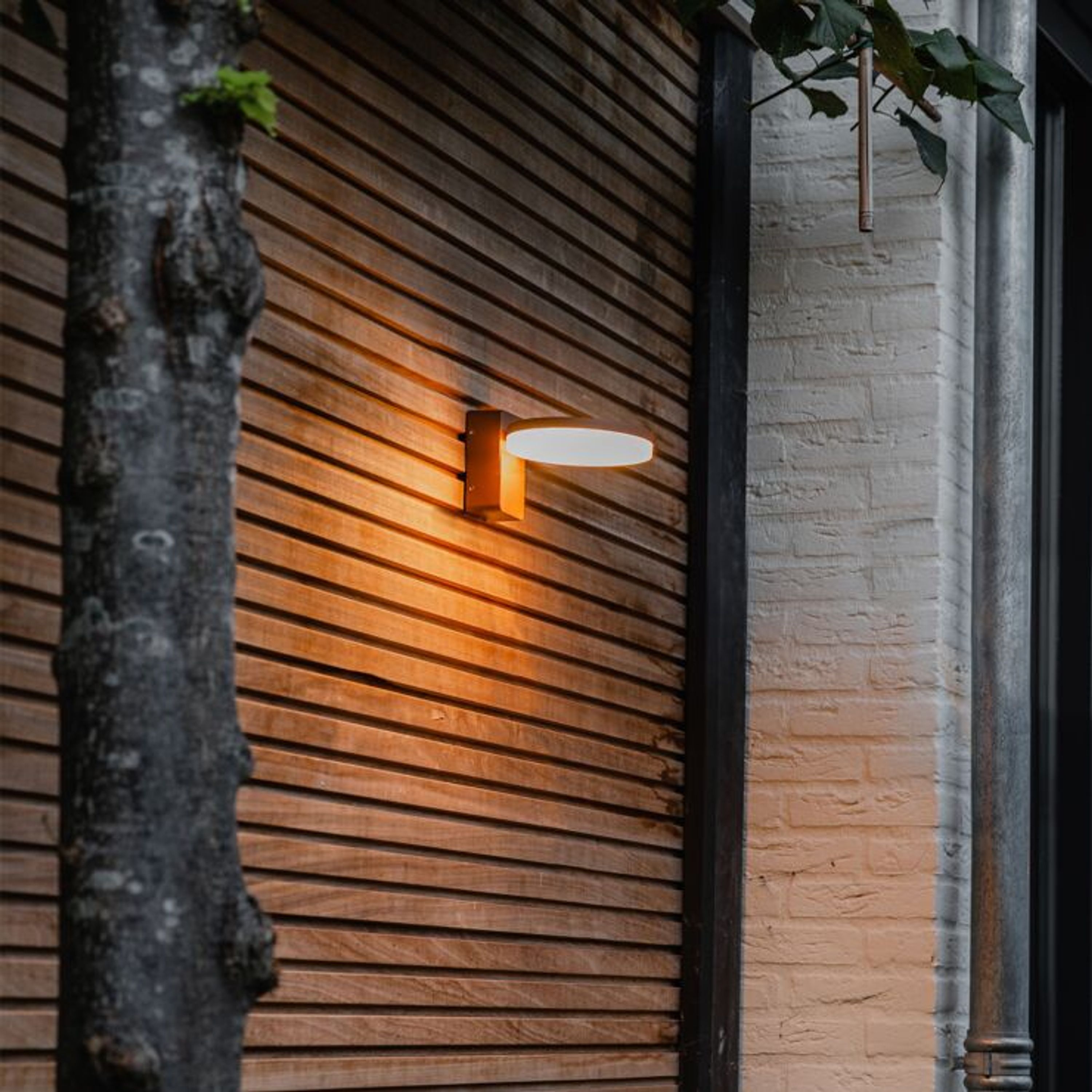
Using 12-volt garden lighting is often considered safer than using 230-volt lighting. This is because 12-volt systems operate at a lower voltage, which reduces the risk of electrical shock, especially in humid conditions. In addition, the fixtures in a low-voltage system are usually easier to install and maintain, making it a practical choice as well.
Light your pond safely
Lighting a pond safely requires extra attention, because water and electricity are a potentially dangerous combination. When installing lighting around your pond, make sure that the fixtures are suitable for use in damp environments and have a high IP rating. Place fixtures so that they do not shine directly into the water, and avoid using extension cords that can hang over the water. Also consider using floating or underwater lighting, which are specially designed for use in ponds and water features.