Sustainable Light Sources
By Lisa / April 15, 2024
In a world where sustainability is a top priority, sustainable light sources are playing an increasingly important role. These energy-efficient alternatives, such as LED bulbs, not only offer eco-friendly options but also help reduce energy costs.
Which light sources are the most energy-efficient?
In general, LED bulbs are the most energy-efficient. They typically have the lowest wattage compared to incandescent and compact fluorescent bulbs for the same amount of light output (measured in lumens). Although CFLs are also considered energy-efficient compared to incandescent bulbs, they generally consume more energy than LED bulbs and take some time to reach full brightness. In addition, CFLs contain mercury, which can pose an environmental problem when they are disposed of.
LED bulbs generally last the longest compared to incandescent and energy-saving bulbs. While a standard incandescent bulb typically has a lifespan of about 1,000 to 2,000 hours and a compact fluorescent bulb can last about 6,000 to 15,000 hours, LED bulbs can last as long as 25,000 to 50,000 hours, depending on quality and usage. The long lifespan of LED bulbs makes them highly cost-effective in the long run, as they need to be replaced less often than traditional light sources. This contributes to lower maintenance costs and reduced waste production.
Read more about energy-efficient LED light sources here!


Which light sources don’t get hot?
Incandescent bulbs use a filament that is heated to a high temperature, which results in the emission of light. However, much of that energy is not converted into light, but into heat. So, after being on for a while, incandescent bulbs feel really warm to the touch. Halogen bulbs work in a similar way. They also use a filament to produce light through heating. Although they are slightly more efficient than incandescent bulbs, they still produce significant amounts of heat during use.
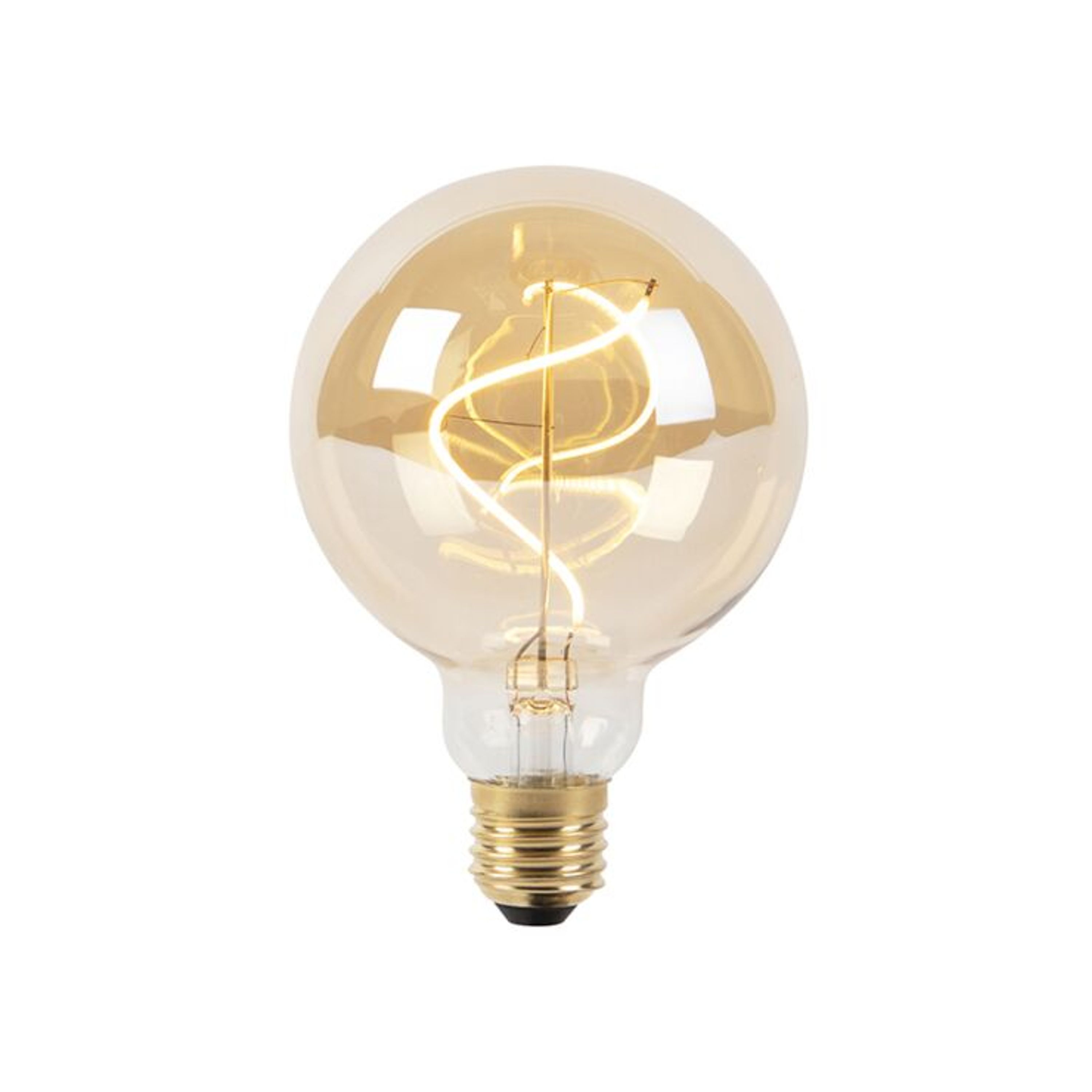
LED bulbs, on the other hand, don’t get as hot as traditional light sources. They work in a completely different way than traditional incandescent and halogen bulbs. Instead of heating a filament, LEDs use semiconductor materials to convert electricity directly into light. They’re extremely efficient at this, so they produce almost no heat. So if you touch an LED bulb, it will feel lukewarm at most.
Please note! LED bulbs with a high lumen output (500+) can still get very hot.