LED lighting: the basics
By Teun / Feb. 5, 2024
Enter the world of LED lighting, where innovation and efficiency go hand in hand! In this informative overview, you'll discover the basics of LED lighting. We not only explore what LED is, but also offer insight on how to recognize LED.
I also take you through the pros and cons of LED lighting. Finally, discover how an LED light source is constructed and what to look for when choosing LED lighting. Read on and be immersed in the wonderful possibilities of LED.
What is LED lighting?
Let's start with the basics: LED stands for "Light Emitting Diode. This can be freely translated as "light emitting diode. It is a semiconductor device that emits light when an electric current passes through it. Unlike traditional light bulbs, which produce light by heating a wire to the point of glowing, LEDs work in a completely different way. Read on and find out how an LED bulb works in my blog!
What are the advantages of LED lighting? And are there any disadvantages?
- Energy-Efficient: The advantage of LED lighting is that it is highly energy-efficient. It uses 80% to 90% less electricity than halogen and incandescent bulbs. LED bulbs are the most energy-efficient bulbs available. By replacing your bulbs with LED lighting, you can therefore save significantly on your energy costs. Read more here about how energy-efficient LED lighting is.
- Lifespan: In addition, LED lights have the advantage of having a longer lifespan than traditional lights. While an incandescent bulb may only last a few thousand hours, an LED bulb can have tens of thousands of hours of use. The minimum lifespan of LED is about 20,000 hours of use, and the maximum lifespan is about 60,000 hours of use. Depending on how many hours you leave your bulb on, an LED bulb will last about 15 years. The purchase cost of LED lighting is higher than traditional lighting. But, you don't have to replace your bulbs as often and your energy bill is lower. You can compare the purchase cost of one LED bulb to that of 15 incandescent bulbs.
- Environmentally friendly: The environmental friendliness of LED bulbs is better than any other bulb. Besides being energy-efficient and having a longer lifespan, the bulbs also contain fewer harmful substances. For example, no mercury is used and less lead is used. In addition, they are also fully recyclable, reducing the carbon footprint.
- Color Options:LED bulbs offer a wide range of color options. Choose warm, soft light or cool daylight. You can customize your LED lighting to have exactly the color and color temperature you prefer. Read all about it in How to Choose the Right LED Bulb?
- Heat: Unlike halogen and incandescent bulbs, LED bulbs do not get hot. So you no longer have to worry about burning your hands when you touch the bulbs. Therefore, in general, the risk of fire from LED lights is very low. If you buy a good quality bulb and follow the installation instructions carefully, the chance of problems is very low. If you have any doubts or if unusual problems occur, it is wise to seek professional advice. In general, LED lamps are safe and reliable to use.
- Dimmable: Create extra ambiance by dimming your LED lighting. Please note: LEDs are not dimmable by default; it depends on the electronics inside the fixture and whether the LED light source is dimmable. This is usually indicated on the packaging. Dimmers that operate on phase-cut are often the best dimmers for LED lighting. Using a conventional dimmer (one also used for incandescent bulbs) causes problems with LED bulbs because they will flicker, buzz, or vibrate. This can damage the bulb. That is why there are special dimmers for LEDs, for both 12V and 230V LED lighting. Read more about dimming LED lighting here.
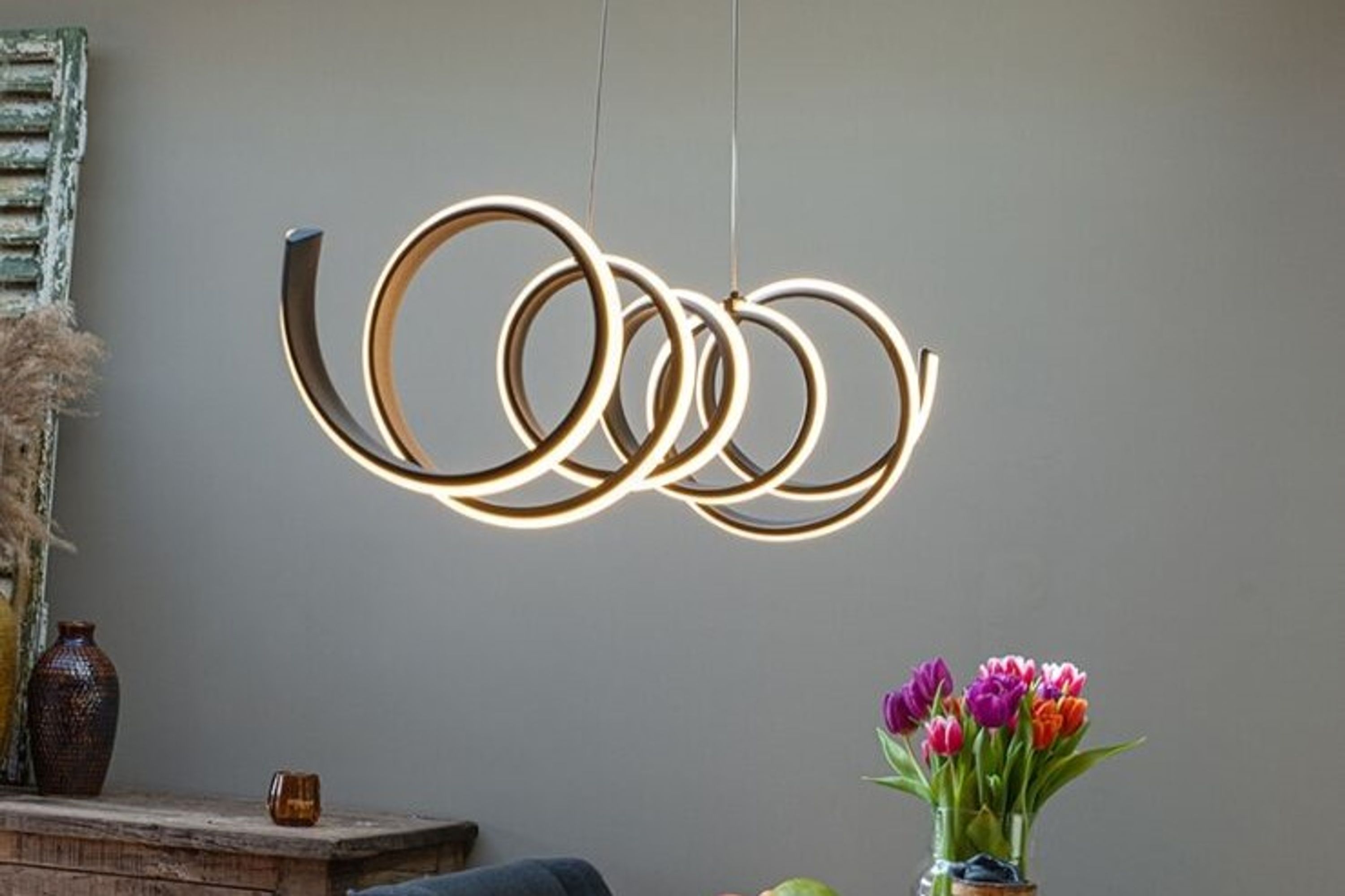

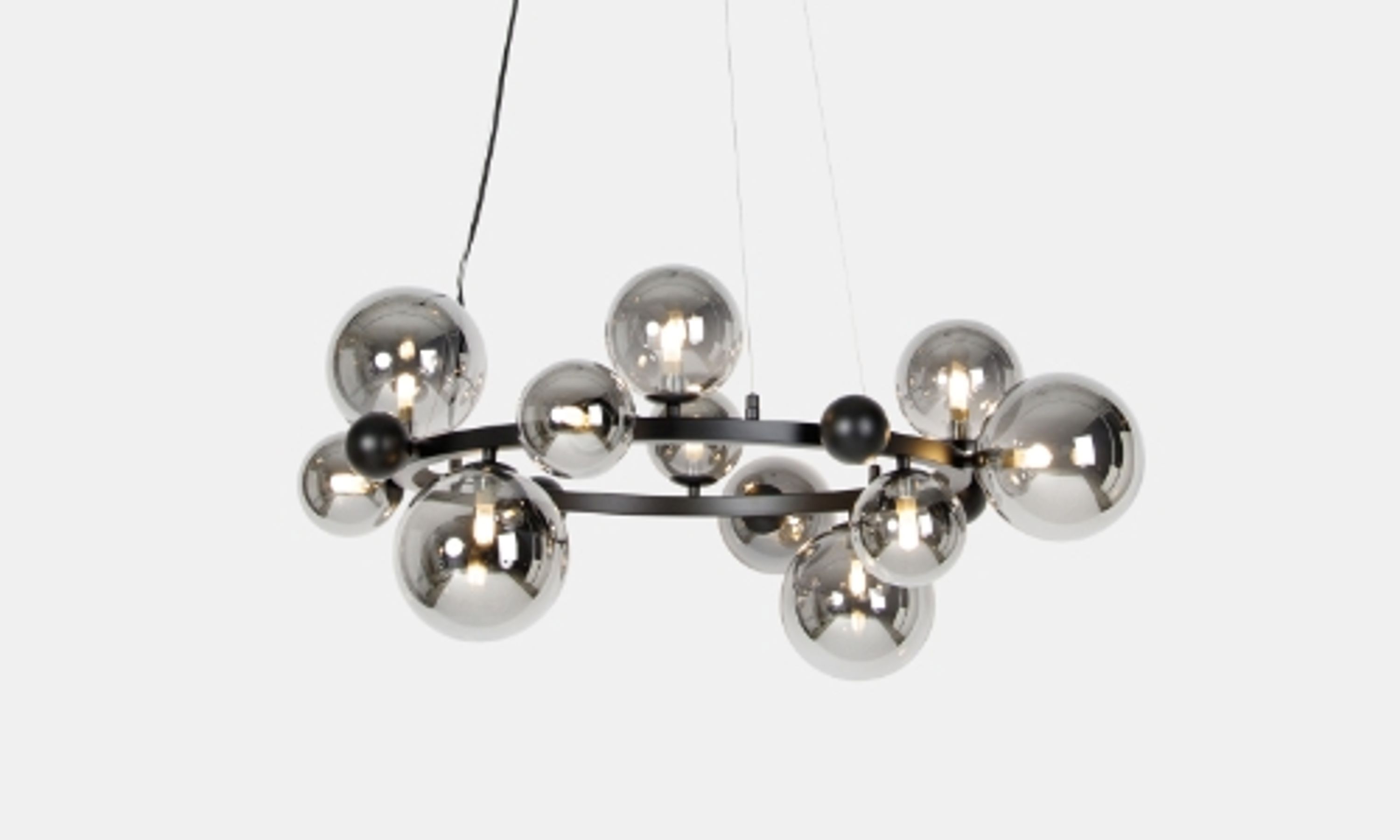
Designer Hanging Lamp Black Dimmable Incl. Large LED - Twisted
Special Price
€249.00
RRP:
€415.00
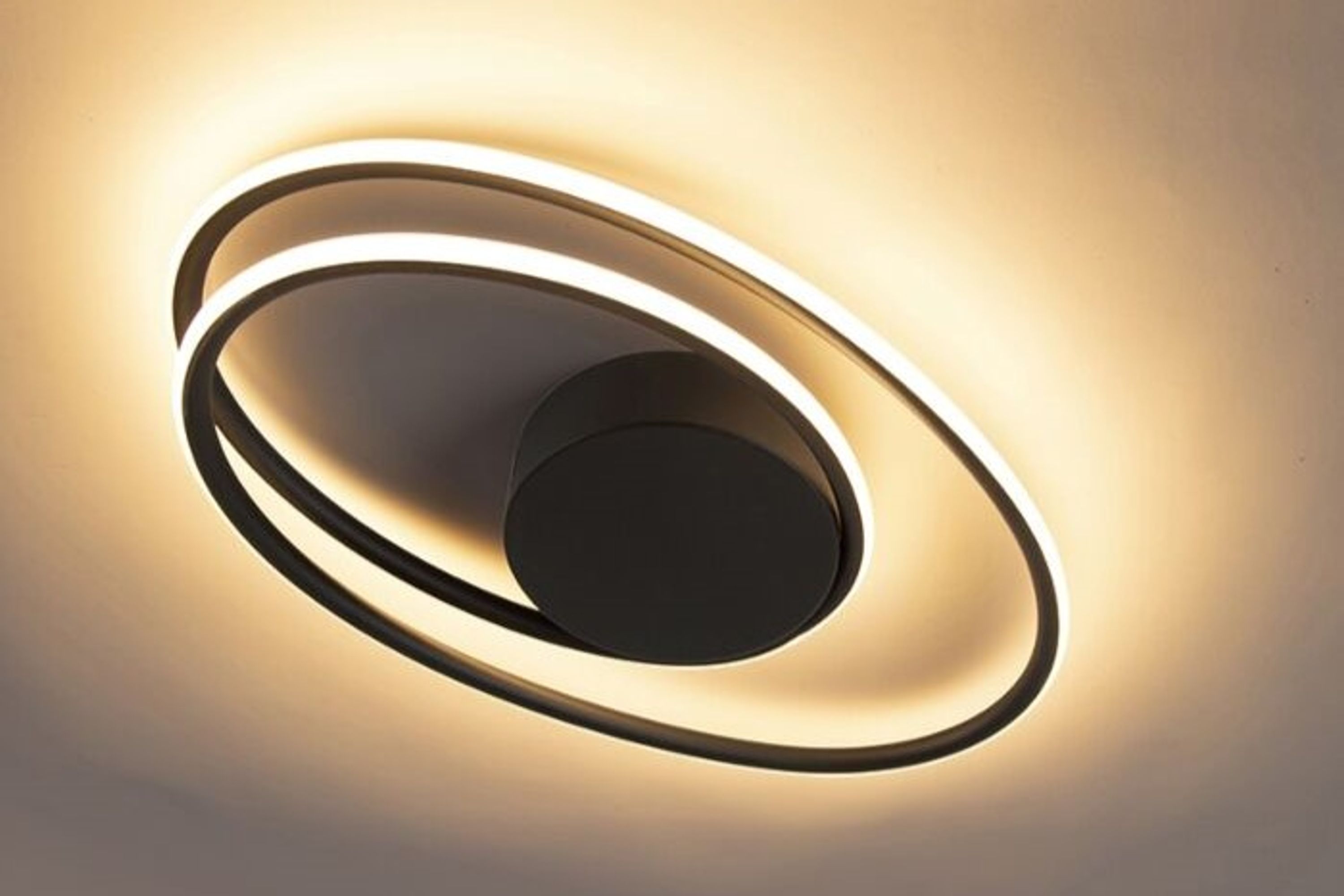
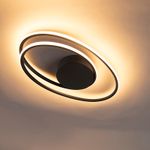
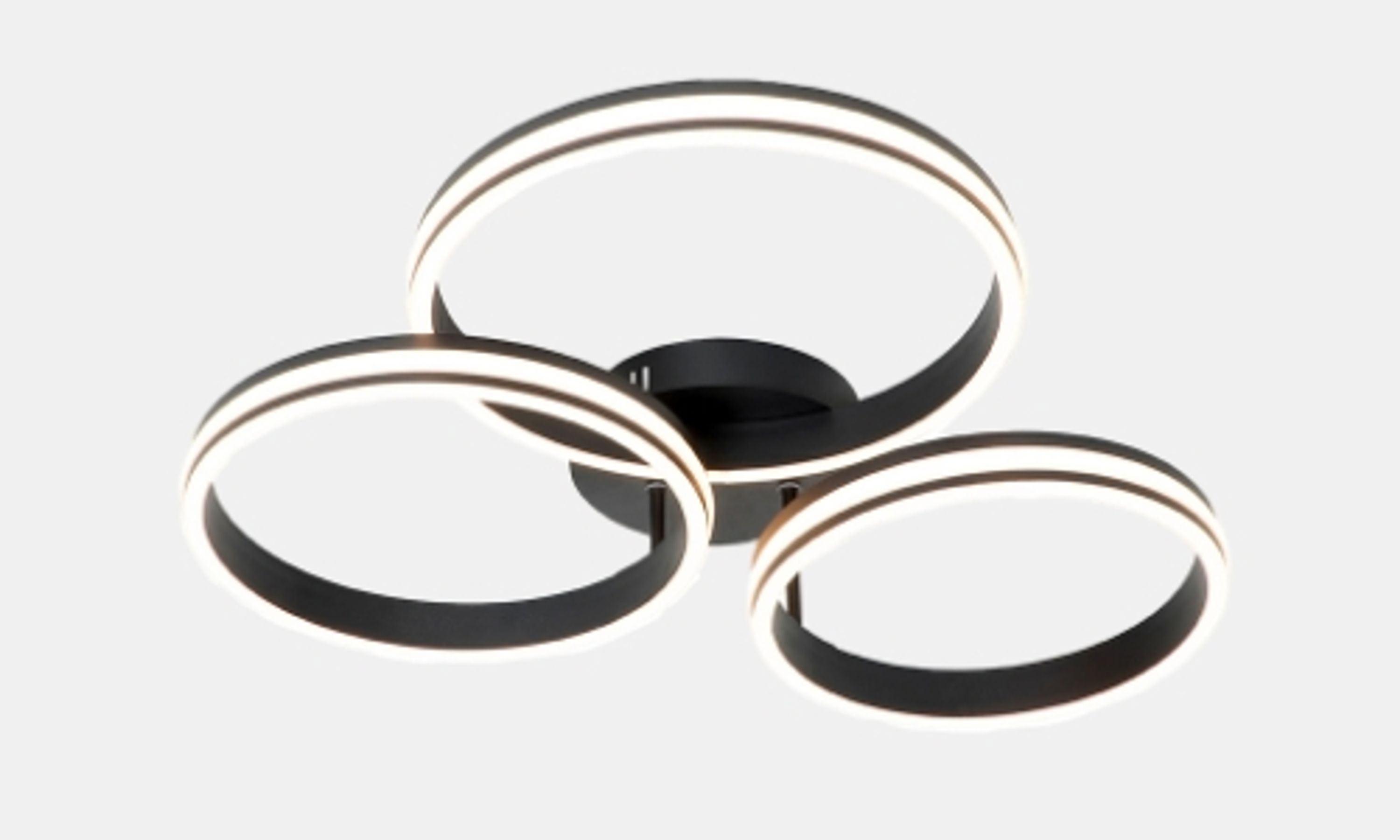
Design Ceiling Light Black Incl. LED 3-Step Dimmable - Rowan
Special Price
€73.95
RRP:
€165.00
What should you pay attention to with LED lighting?
Ben and ready to switch to LED lighting? Let me walk you through a few things to look for when buying new LED lights. First, look at the light output of the bulb. This is measured in lumens. The number of lumens indicates how much light the bulb produces. The more lumens the bulb has, the brighter it can burn. Second, LED bulbs are available in different color temperatures. This is expressed in Kelvin (K). A lower Kelvin value (2700K) produces warm, white light, while a high Kelvin value (5000K) produces a cooler light.
Choose the color temperature that best suits the purpose of your lighting. Finally, perhaps important to you is how accurately colors are rendered under the lamp's light. This reflects the color rendering index (CRI). The higher the CRI, the better the lamp displays colors.