Creating a lighting plan for your garden
By Lisa / April 25, 2024
Garden lighting usually has two functions. You want to create atmosphere in your garden and you also need functional light. For example, a lamp near the outside door that turns on when you walk past it or a nice lamp that illuminates your terrace when you want to sit outside a bit longer in the summer.
But how do you get started on a lighting plan for your garden and why is it important? Let's look at some of the important aspects of creating a lighting plan.
How do you create a lighting plan for your garden?
To ensure that you install the lighting you need in the right places in your garden, it is useful to make a lighting plan in advance. Even if you are not satisfied with the current lighting in your garden and want to change it, it is smart to make a lighting plan.
How do you get started on a lighting plan?
Step 1. Make a floor plan. Start by drawing a floor plan of your garden to scale. Mark the most important elements, such as lawns, patios, ponds, and so on.
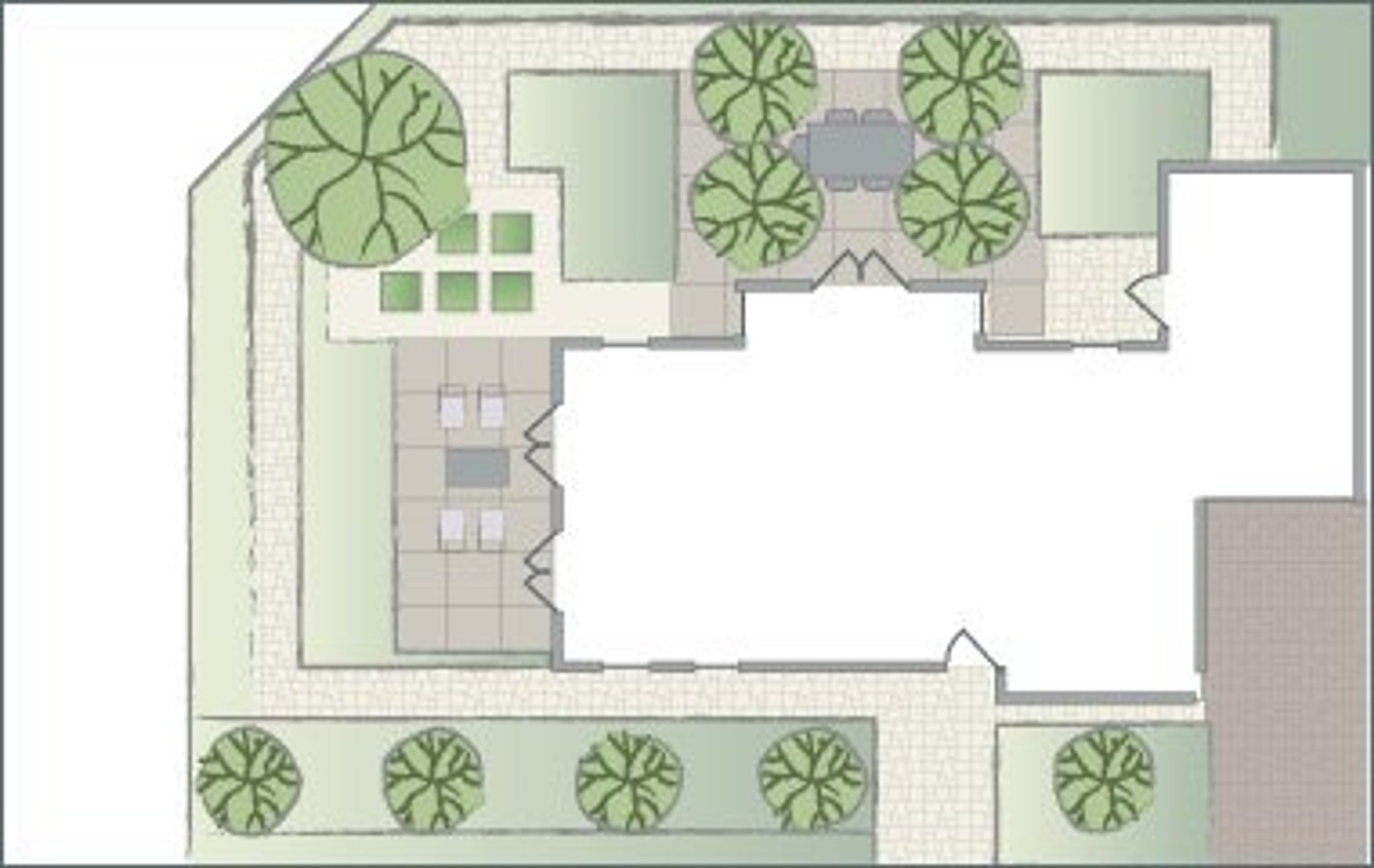
Step 2. Think about which areas of your garden you want to light. After you've made the floor plan of your garden, it's time to think about which parts of your garden you want to light. Take the time to consider where you would like mood lighting and where functional light is needed. Also think about what specific features of your garden you want to accentuate with lighting. Perhaps you want to highlight a beautiful tree in your yard or illuminate a path along your pond. Mark all of these areas on your floor plan so you have a clear picture of where the lighting should go.
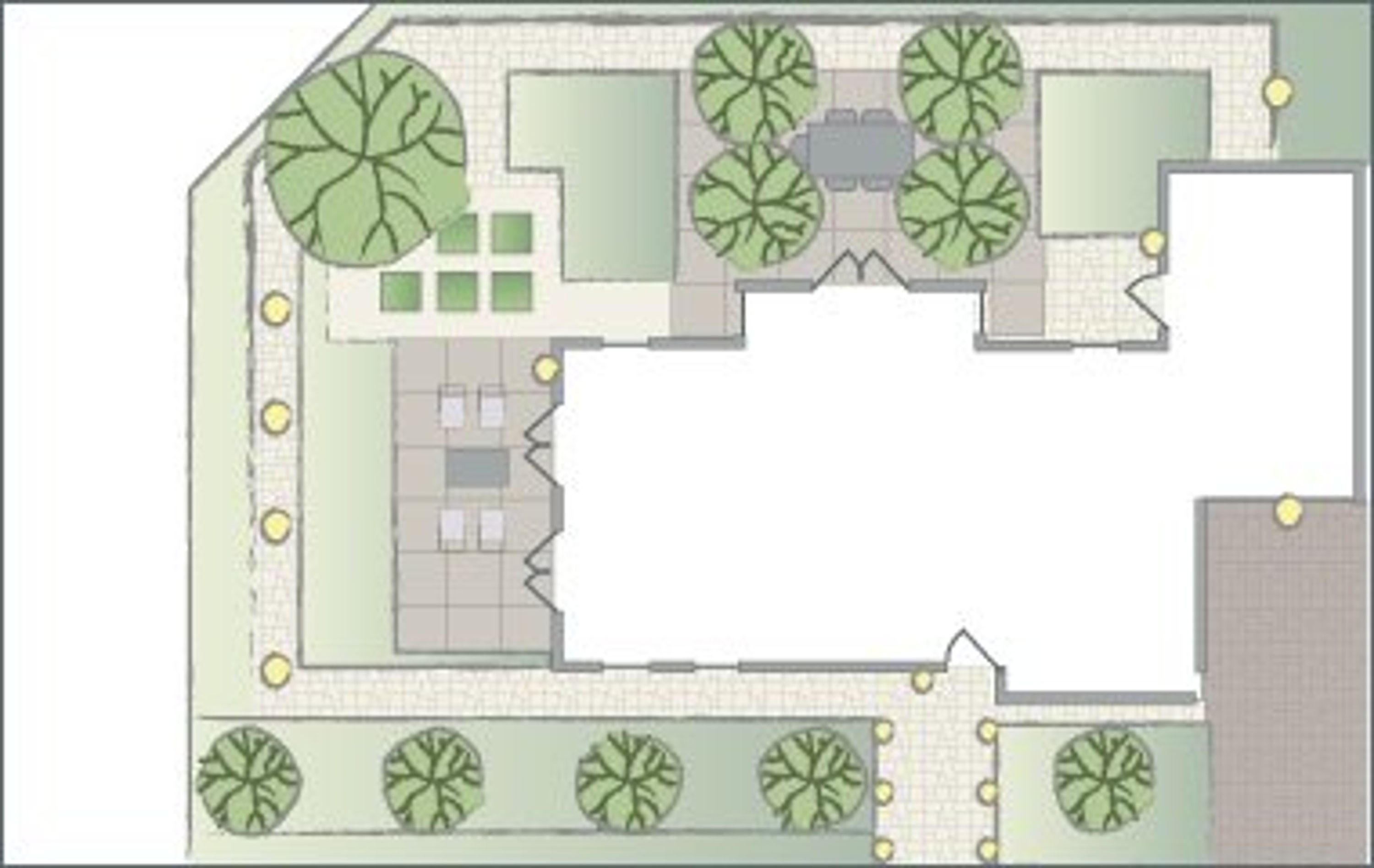
Step 3. For each lighting point, determine what type of lighting is needed. For each lighting point on your floor plan, it's important to determine what type of lighting is needed. Do you want mood lighting that spreads a warm glow, or do you need functional light for safety or to perform activities in the garden, for example? Also consider the light intensity you need for each area. For example, if you want to illuminate a tree, you probably need more powerful lighting than when accenting a small flower bed. It's also a good idea to alternate between bright and soft light to create a nice effect.
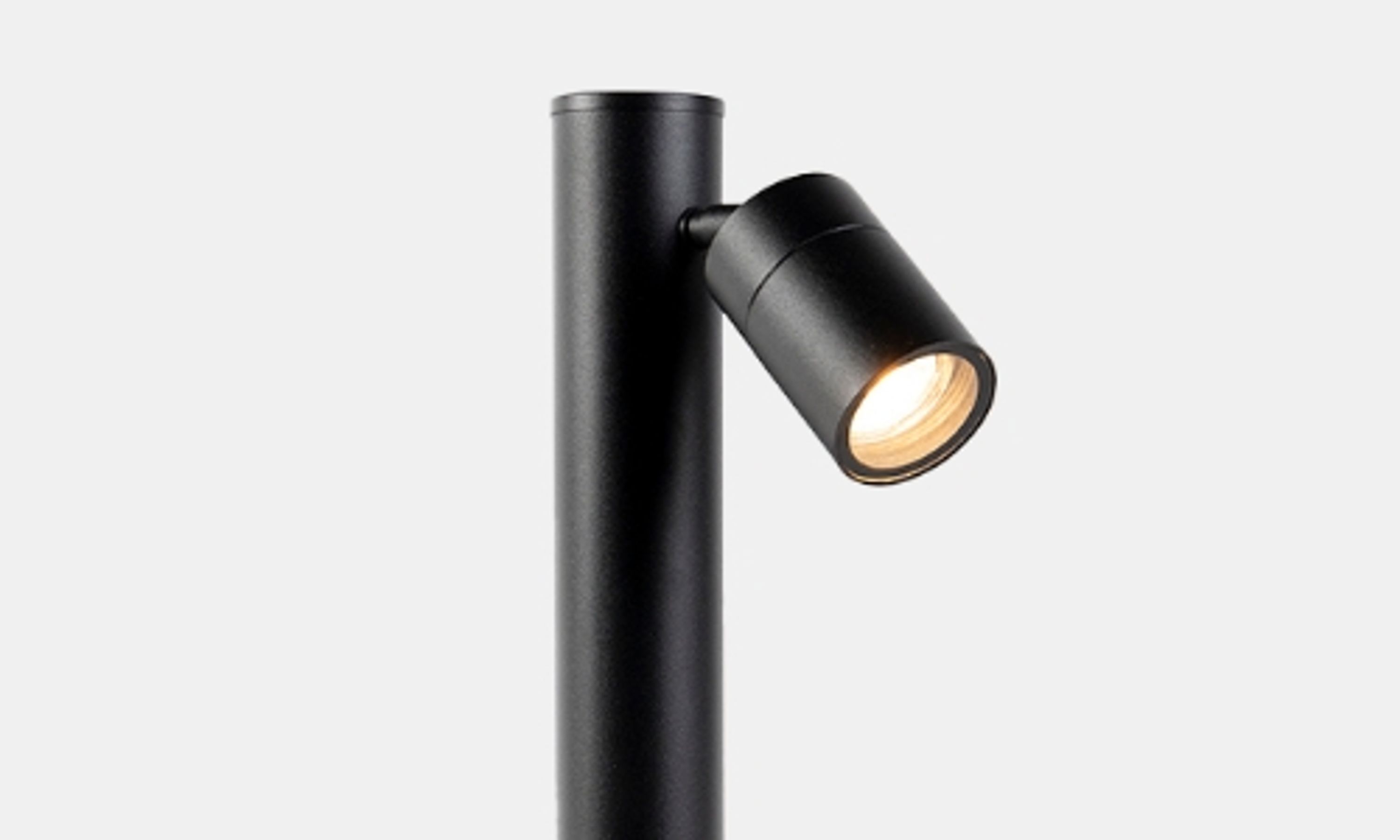
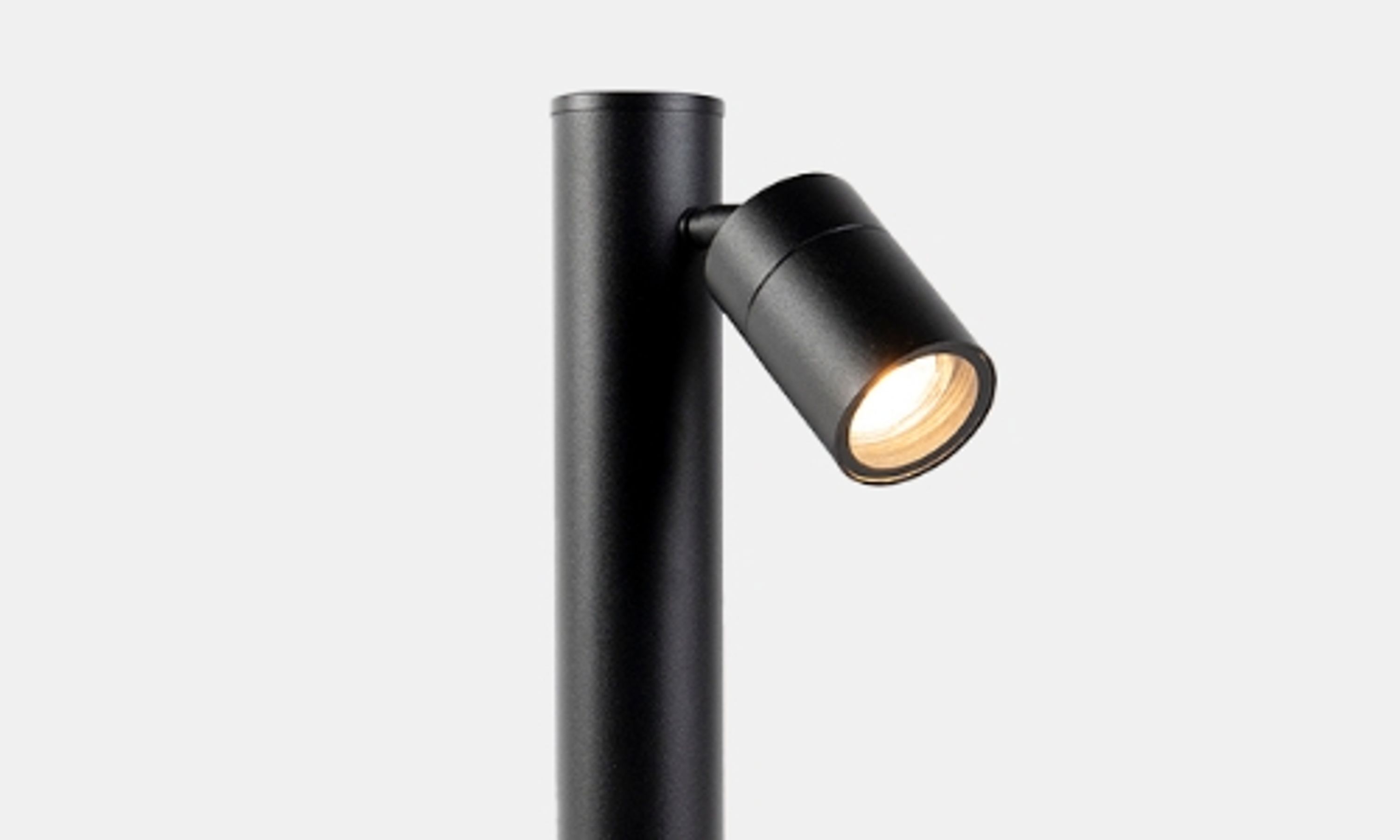
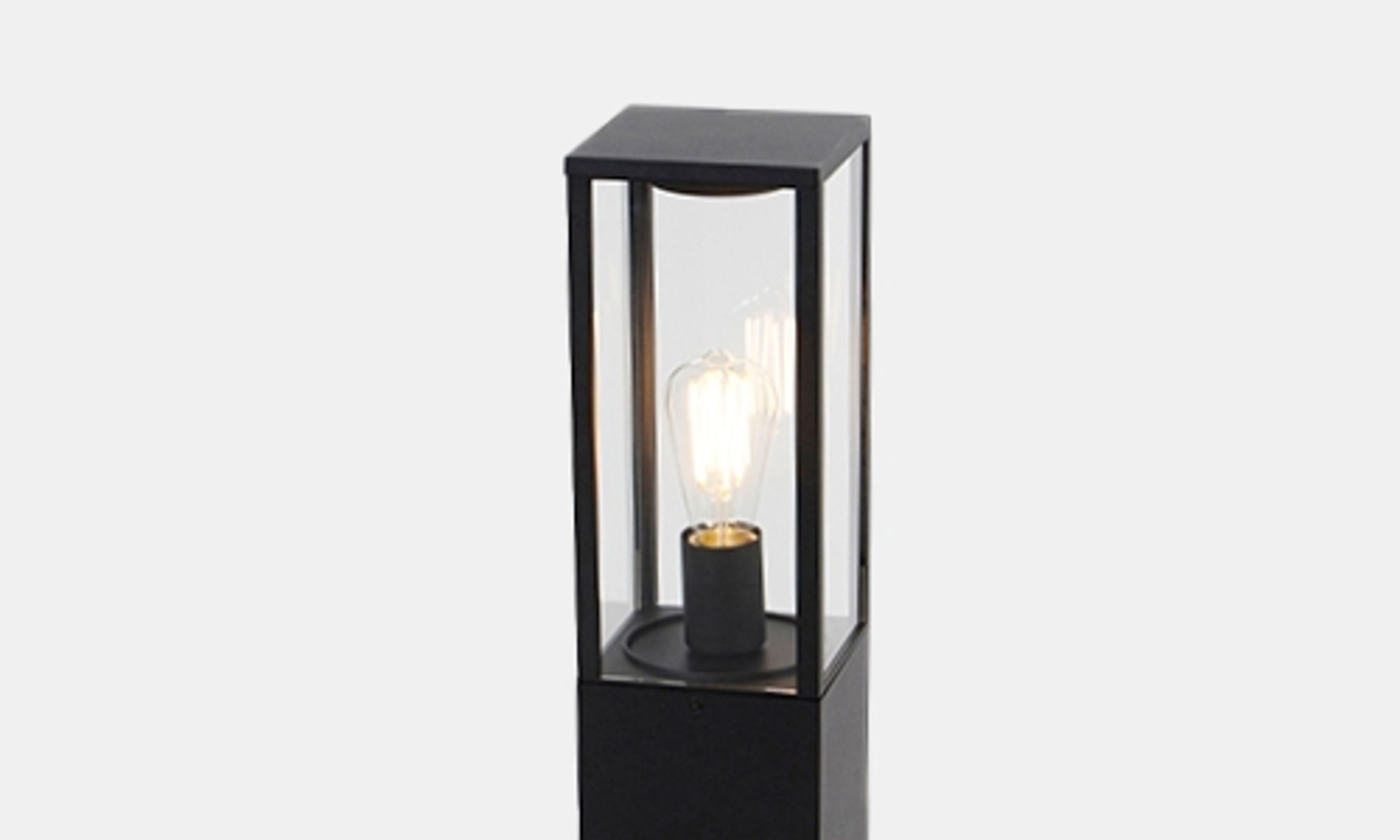
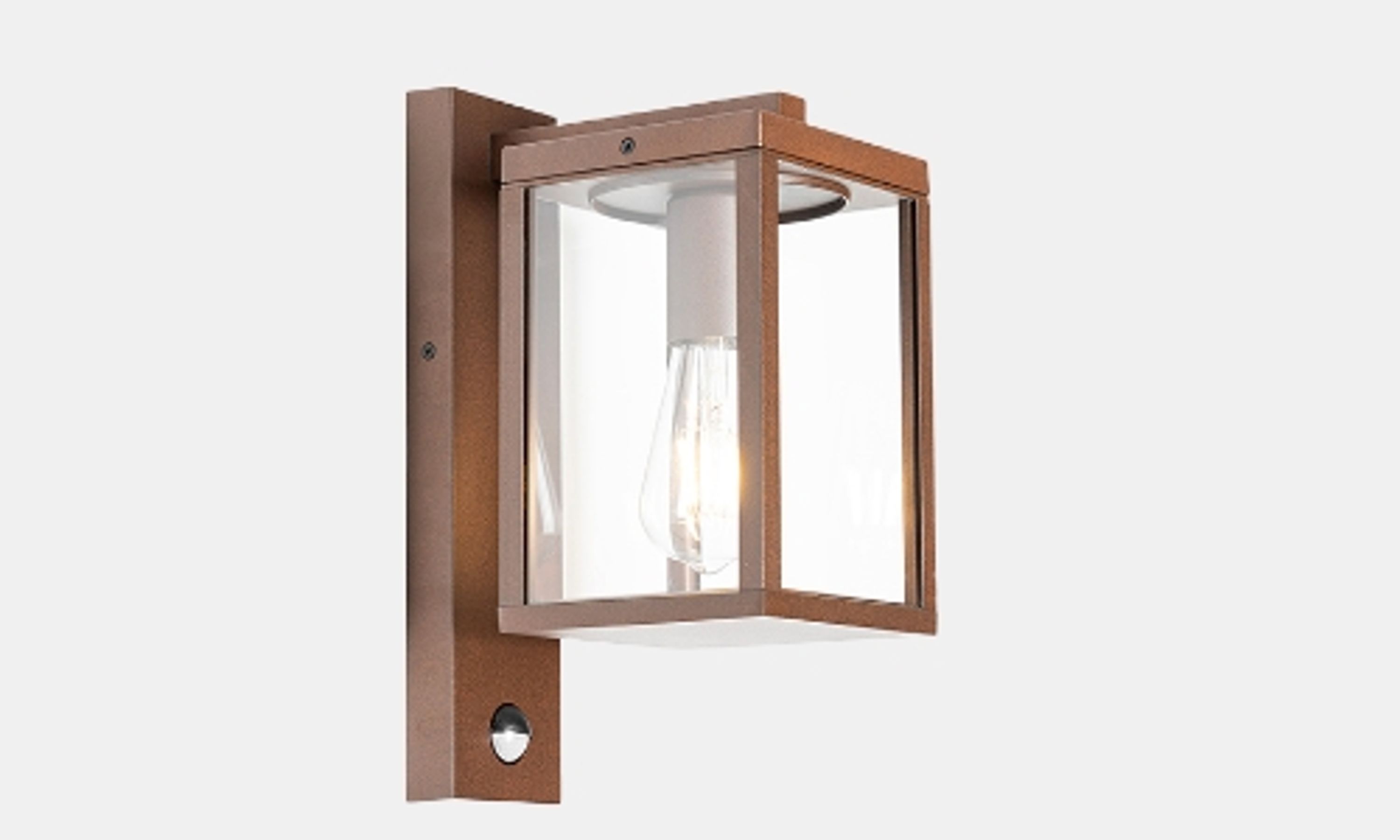
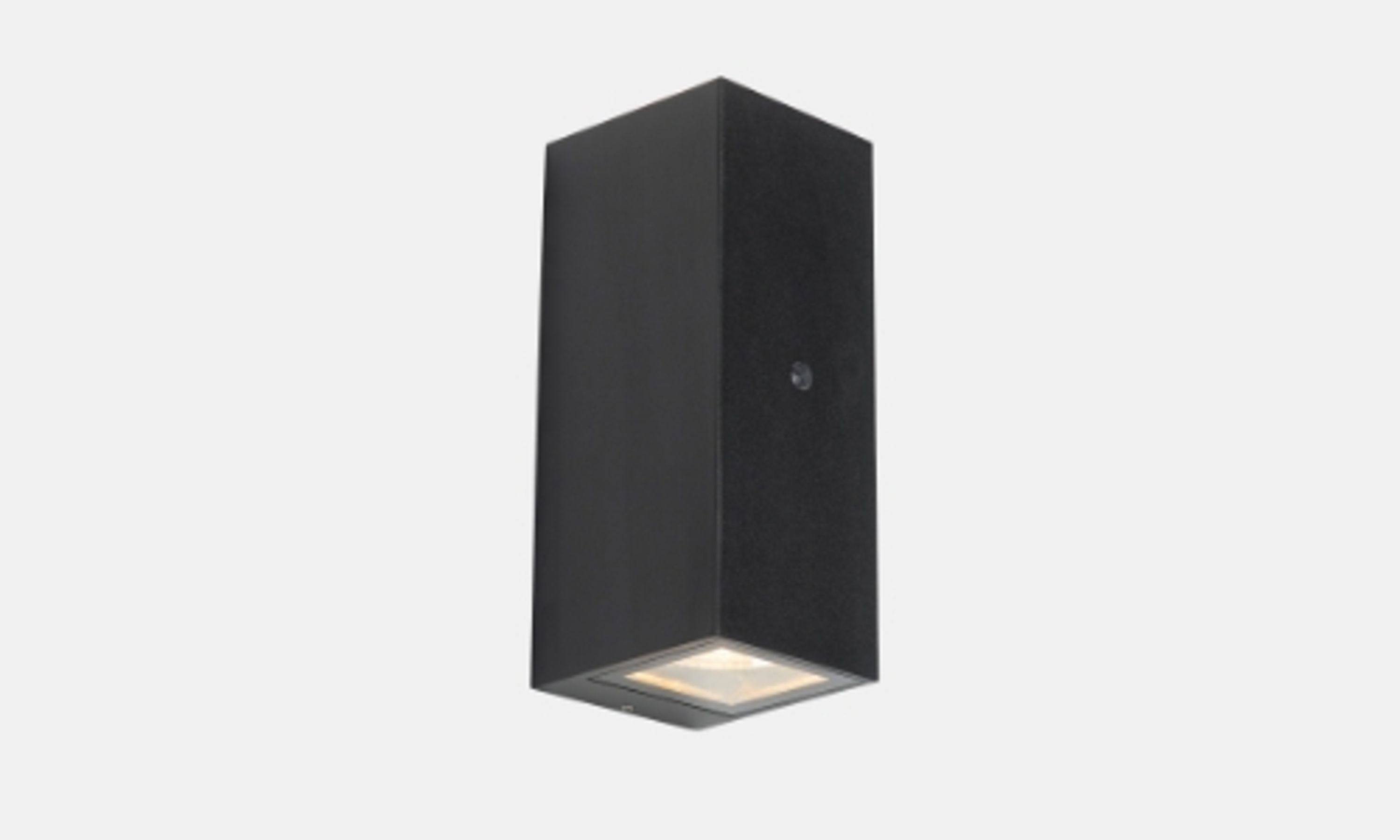
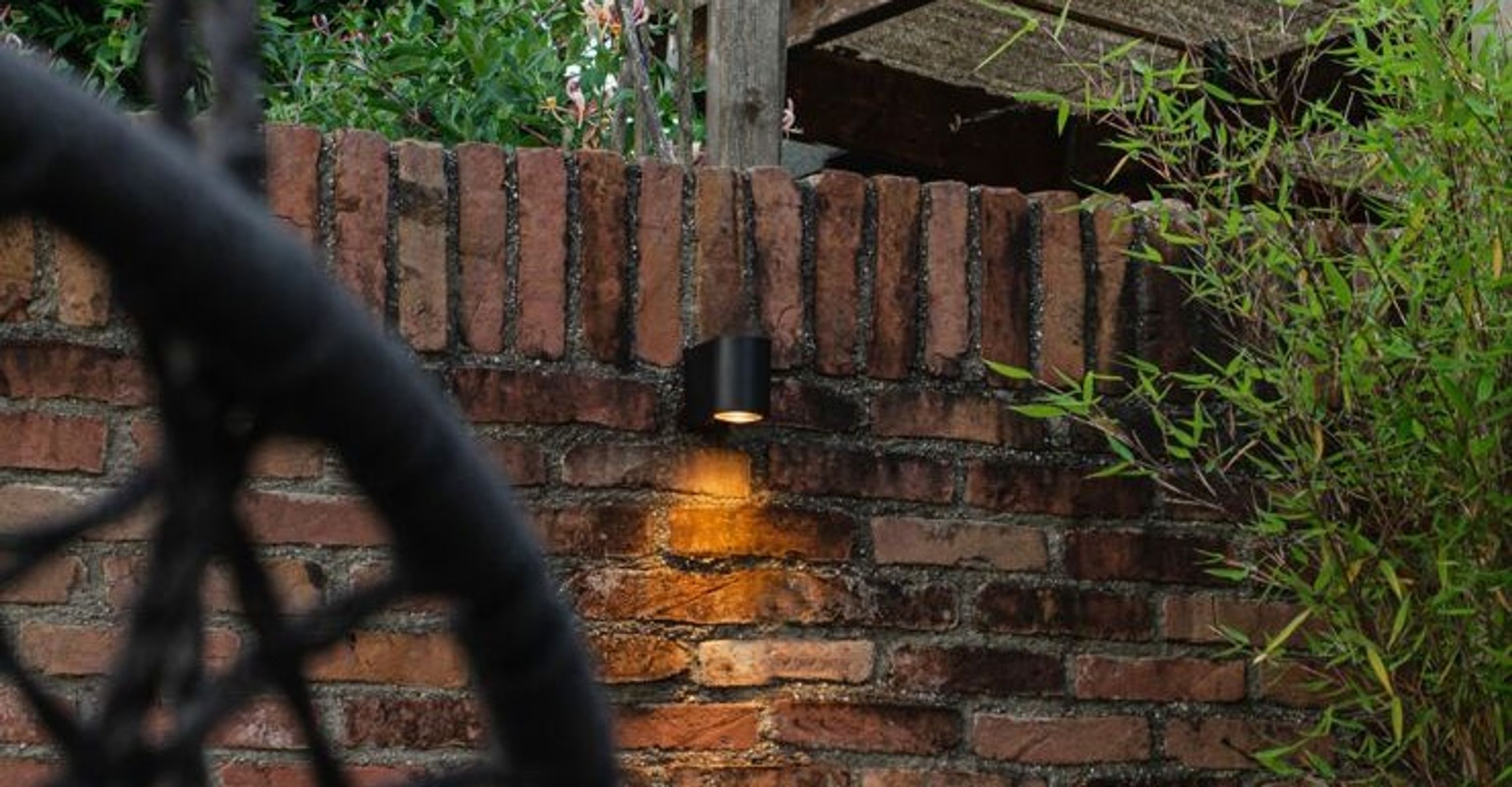
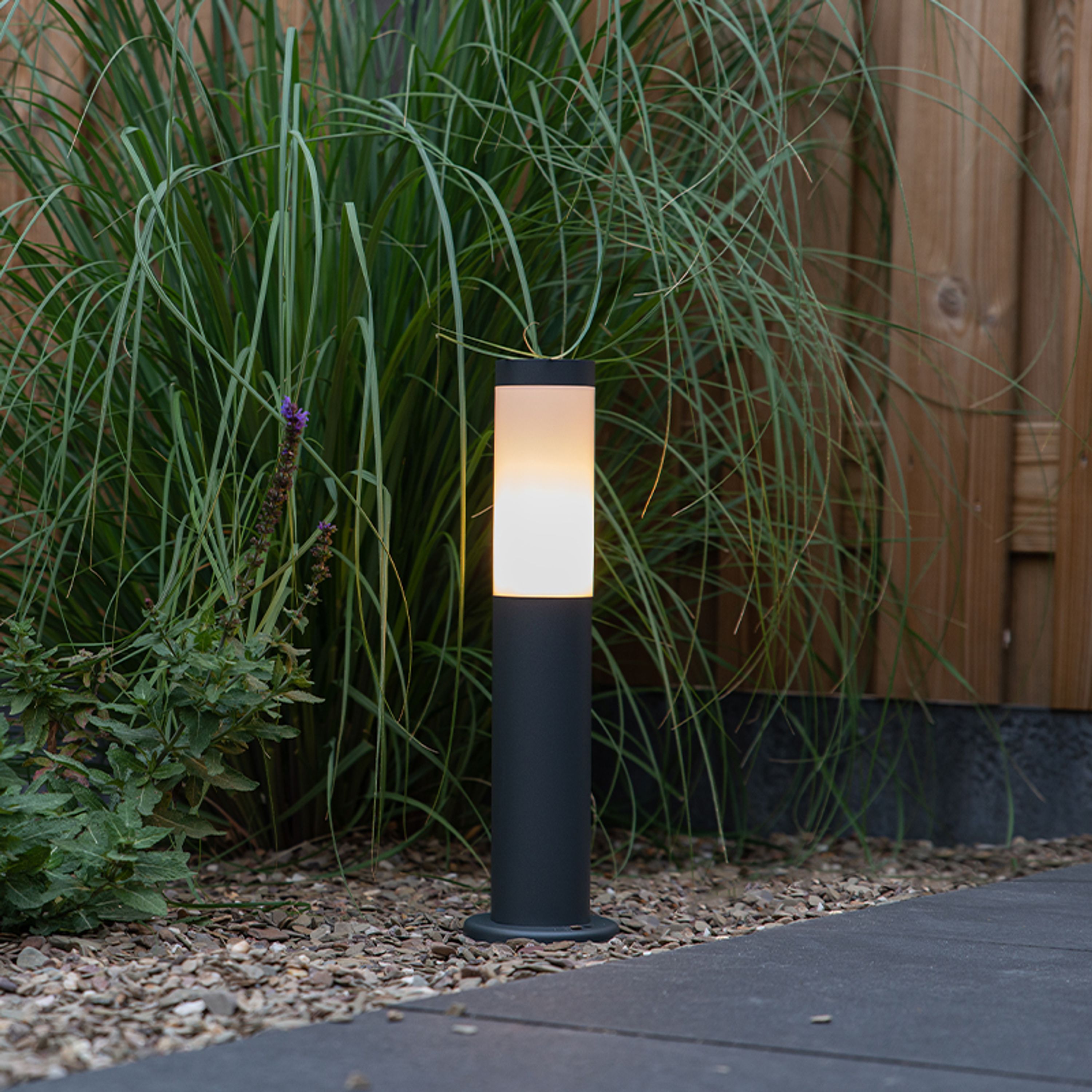
Step 4. Determine the direction of light for each lighting point. For each lighting point, it is important to determine from which direction the light should come. Do you want the light to shine from a wall, or perhaps up from the ground? This affects not only the atmosphere you want to create, but also practical aspects, such as preventing glare. For example, you can choose floor lamps that illuminate an area all around, ground spots that shine upward, or pin spots whose direction you can determine yourself.
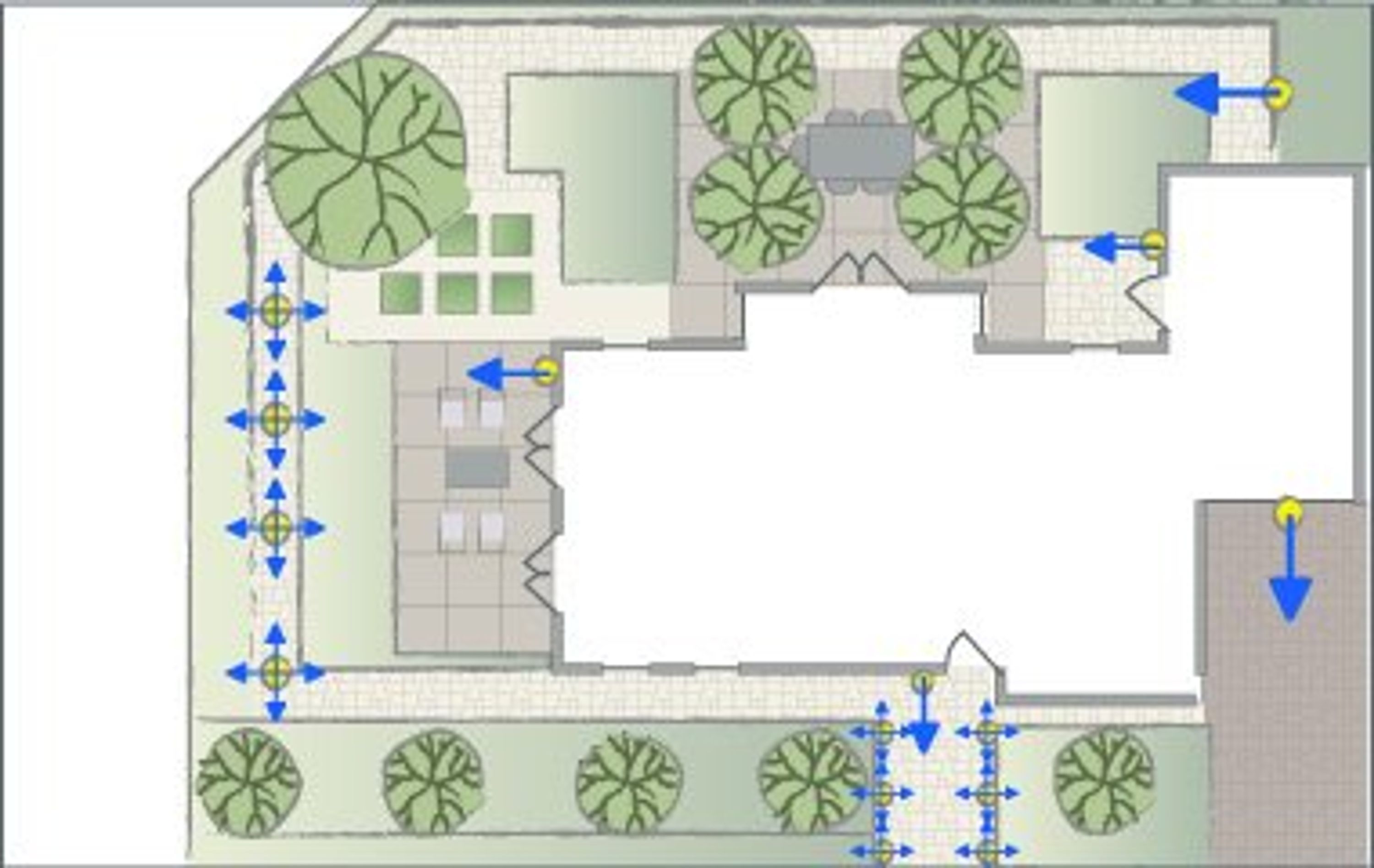
Step 5. Choose the fixtures for each light point. For the various light points, choose which lights are to hang or stand there. If necessary, draw this on the floor plan as well. That way you know exactly which materials you will need to place a certain type of lamp in a certain place. Low-voltage lighting (12 volts) is easy to install yourself. For mains voltage lighting (230 volts), it is better to enlist the help of a licensed installer.
Why is a lighting plan important?
A lighting plan for your garden fulfills several roles, all of which are important. First, it provides functional light, which means you can safely and easily engage in activities in the garden, whether it's gardening at dawn or enjoying the outdoors in the evening. It also contributes to the desired atmosphere in your outdoor space, creating a warm and inviting atmosphere perfect for relaxation and social gatherings. But that's not all! A good lighting plan also allows you to highlight the special features of your garden, such as beautiful plants, unique sculptures or striking architectural elements. In short, a lighting plan is not only practical, but also essential for creating an outdoor space that is not only functional and attractive, but also aesthetically pleasing, whether it is day or night.
What does a lighting plan cost?
The cost of a lighting plan for your yard can vary greatly, depending on several factors such as the size of your yard, the complexity of the design, the type of lighting you choose and whether you create the plan yourself or hire professional help.
If you want to create a lighting plan yourself, there are online tools and software available that you can use for free or for a small fee. You can also read more about garden lighting and get inspiration here. We’ve also included a handy step-by-step guide above that you can follow to help you design a lighting plan that perfectly suits your garden and preferences.
However, if you want to enlist the help of a professional, the cost may vary depending on their experience, reputation and the scope of your project. Some designers work with a flat rate, while others may charge an hourly rate. In addition comes the cost of the lighting fixtures themselves, as well as any installation costs if you choose to outsource the work to an electrician.
So, in short, the cost of a lighting plan can vary, but it's important to invest in a plan that fits your budget and does your garden justice with the right lighting.

How do I determine the correct location for my garden lights?
Finding the perfect spot and height for your garden lights is crucial for a perfect outdoor space. Here are some helpful tips:
- Functionality and safety: Place lights in smart places to provide functional light where you need it - think paths, stairs, and dark corners. Make sure the light is bright and does not create annoying shadows.
- Mood lighting: For a cozy ambiance, place lights near special spots such as trees, fountains, or works of art. Play with heights and angles for an inviting atmosphere.
- Safety first: Check for obstacles such as overhanging branches or furniture that may block light. Hide wiring safely to prevent tripping.
- Height:
-
- Path lighting: A height of 40-60 inches above the ground is often recommended for lights along paths. This height ensures even illumination of the path and prevents glare while walking.
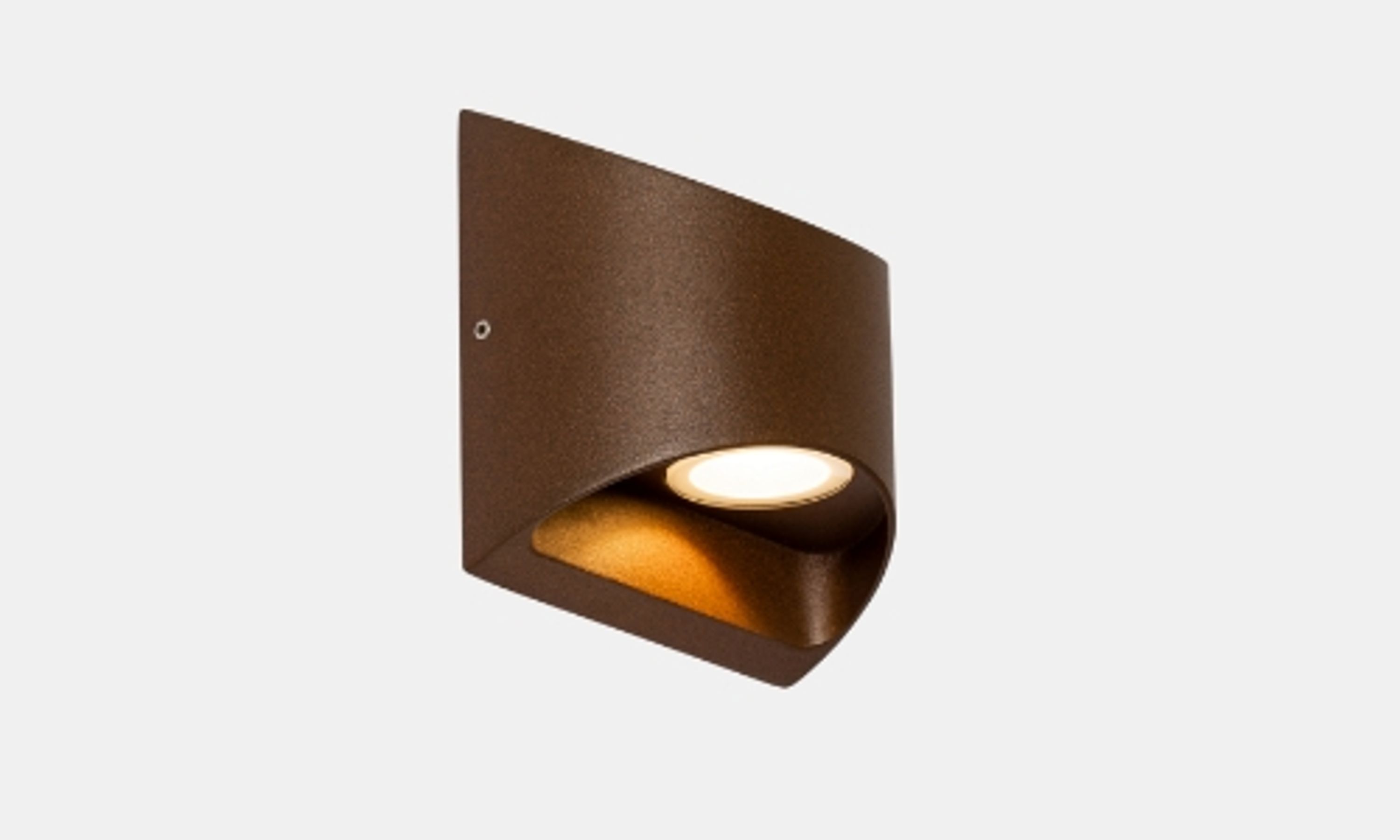
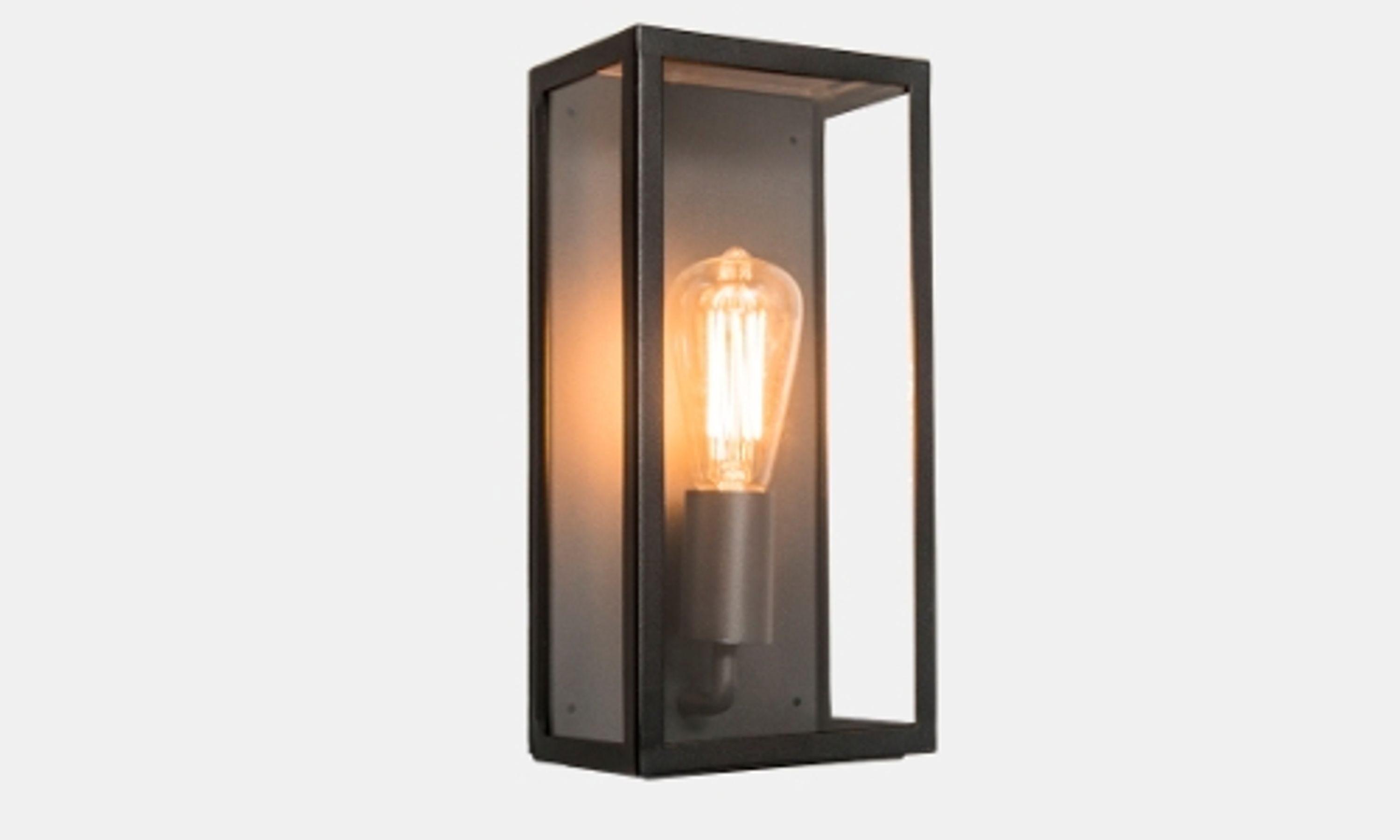
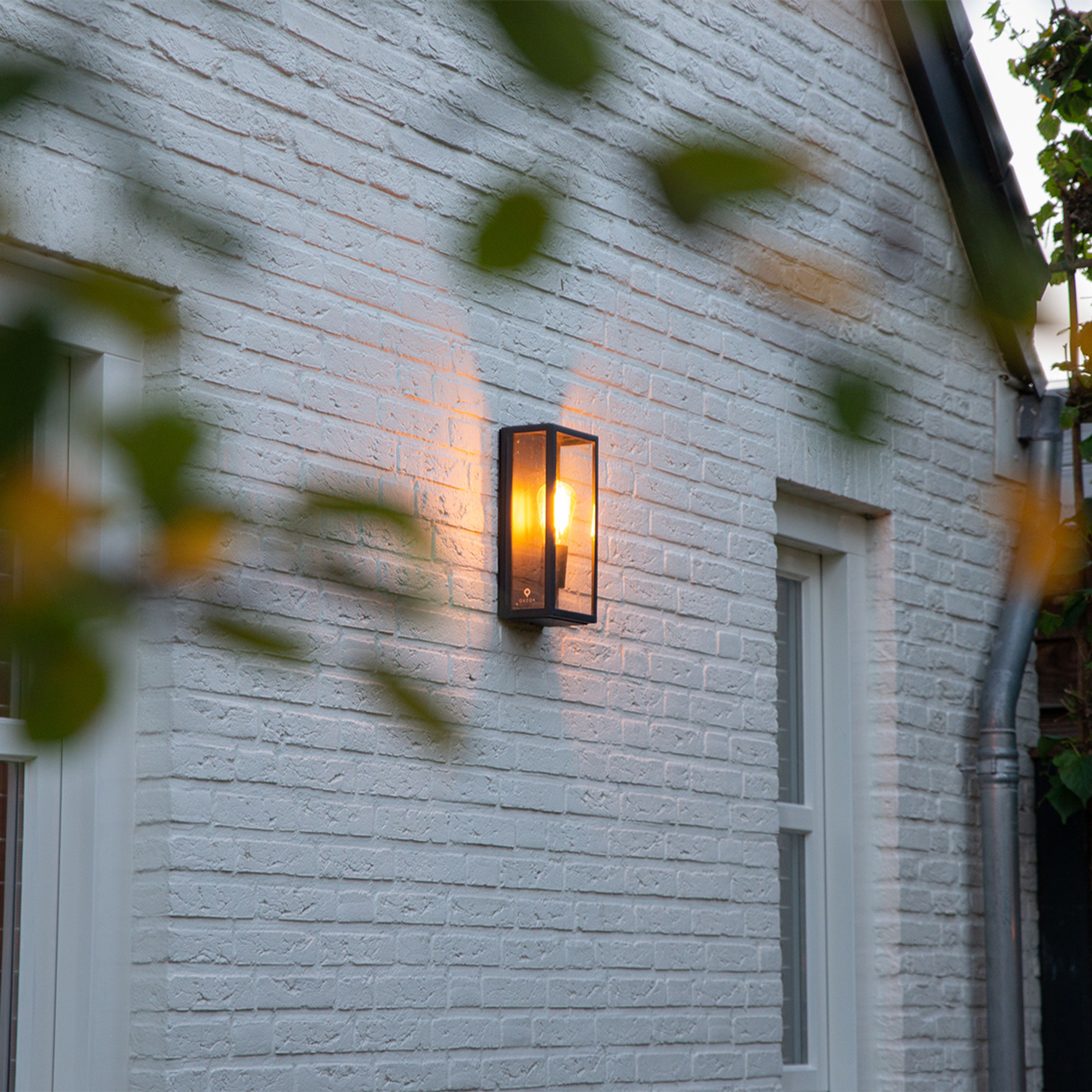
- Wall and façade lighting: It is generally recommended that this lighting be placed at eye level for optimal visual impact and illumination of the surroundings.
- Suspended lights: Make sure they are high enough to provide adequate light, but also low enough to be easily accessible for maintenance and lamp replacement.
- Try and experience: Experiment with different positions and heights. Take a walk through your garden at night to see how the light falls and what effects it creates.